Bringing a new puppy into your home is a joyful experience filled with love, excitement, and new responsibilities. One of the most important items every pet owner should consider is a plastic crate for puppy. A well-chosen crate helps with training, safety, comfort, and overall development.
A plastic puppy crate offers a secure and cozy space where your puppy can rest, relax, and feel protected. It works as a personal den that promotes positive behavior and emotional stability. In this complete guide, you will learn how to choose, use, and maintain a puppy crate plastic model for your growing companion.
Why a Plastic Crate for Puppy Is Important
A crate is not meant to be a cage. When used properly, it becomes a safe space for your puppy. A plastic crate for puppy plays a major role in building good habits and supporting daily routines.
Using a crate helps with
House training
Reducing chewing and damage
Preventing accidents
Supporting better sleep
Creating structure
Plastic crates are especially helpful for puppies that feel anxious or overwhelmed. Their enclosed design reduces noise and distractions, allowing your puppy to rest peacefully.
What Is a Plastic Puppy Crate
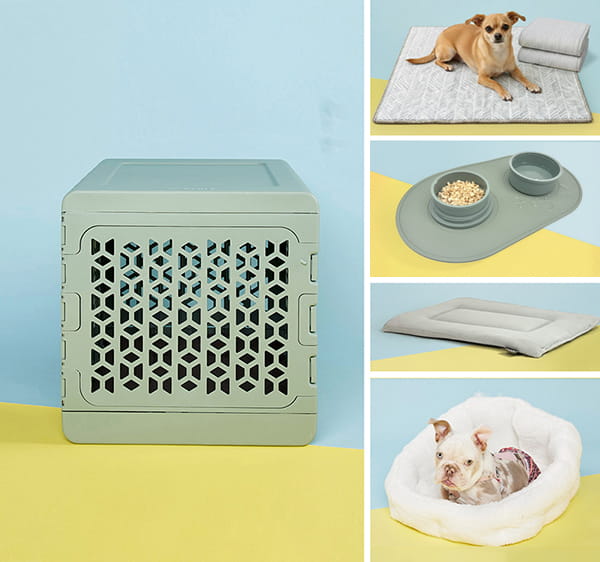
A plastic puppy crate is made from strong and lightweight plastic materials. It usually includes
Solid side panels
Air ventilation holes
A secure front door
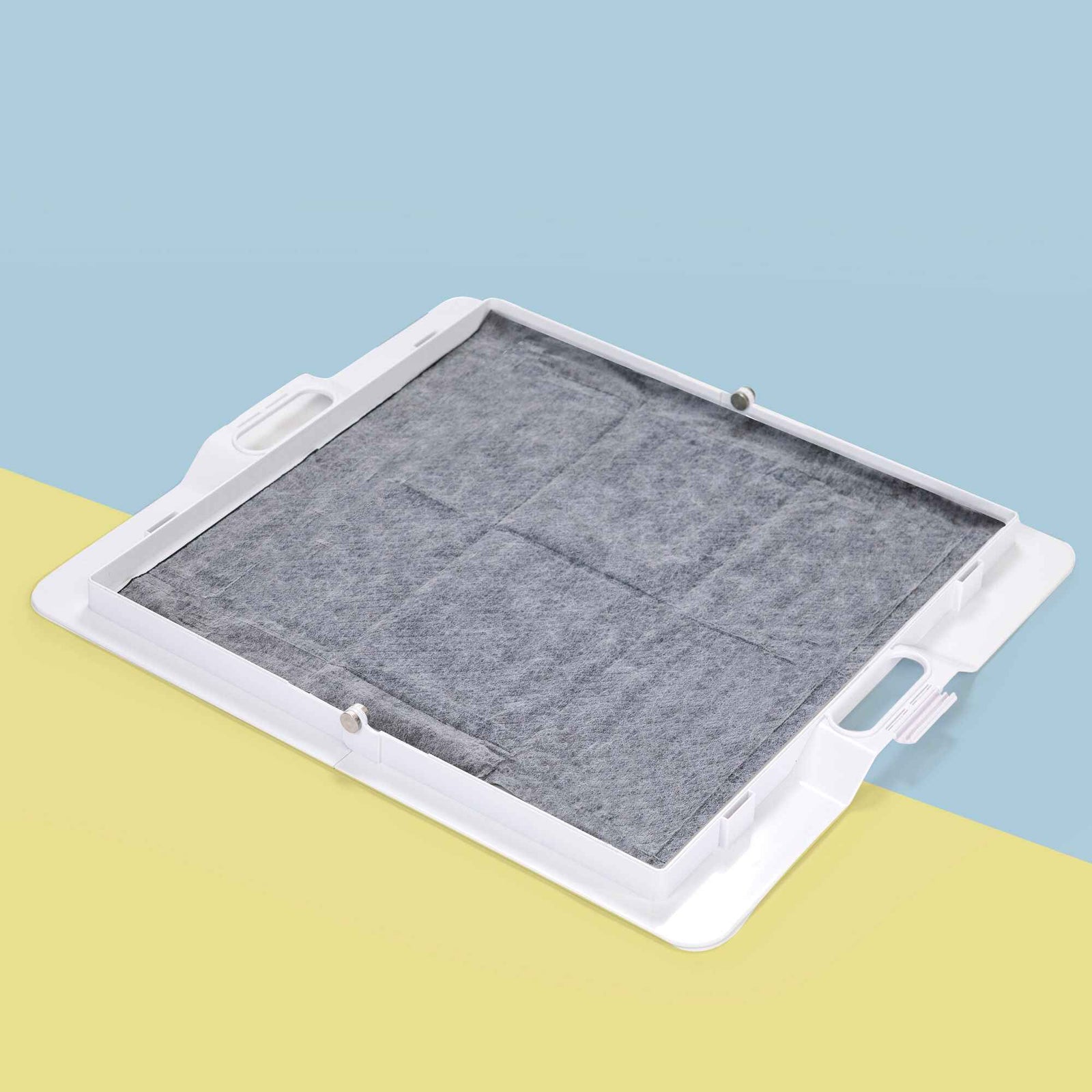
A removable bottom tray
These crates are widely used for both indoor and outdoor purposes. Many are also approved for airline travel, making them suitable for pet owners who travel frequently.
Because of their sturdy design, plastic crates are ideal for small to medium-sized puppies and can last for many years with proper care.
Benefits of Using a Puppy Crate Plastic Model
Comfort and Safety
A puppy crate plastic design creates a warm and enclosed space. This helps puppies feel safe, especially during sleep or when left alone for short periods.
Perfect for Travel
Plastic crates are lightweight and easy to carry. They are suitable for
Car rides
Vet visits
Air travel
Outdoor trips
Many airlines prefer plastic crates because they offer better protection.
Easy Cleaning
Plastic surfaces are easy to wipe and wash. Most crates have removable trays, which makes cleaning quick and simple.
Long Lasting Durability
High-quality plastic crates resist cracking, chewing, and bending. This makes them a reliable option for active puppies.
Reduced Noise
Unlike metal crates, plastic crates do not make noise when your puppy moves. This helps maintain a calm environment.
Plastic Crate for Puppy vs Wire Crate
Many pet owners are confused about choosing between plastic and wire crates. Here is a simple comparison
Plastic crates provide privacy and comfort, making them ideal for anxious puppies. Wire crates offer better visibility and airflow but less security.
A plastic crate for puppy is better for travel, sleeping, and stress reduction. Wire crates are more suitable for supervised home use.
If your puppy prefers quiet and enclosed spaces, plastic crates are the better choice.
How to Choose the Right Plastic Puppy Crate
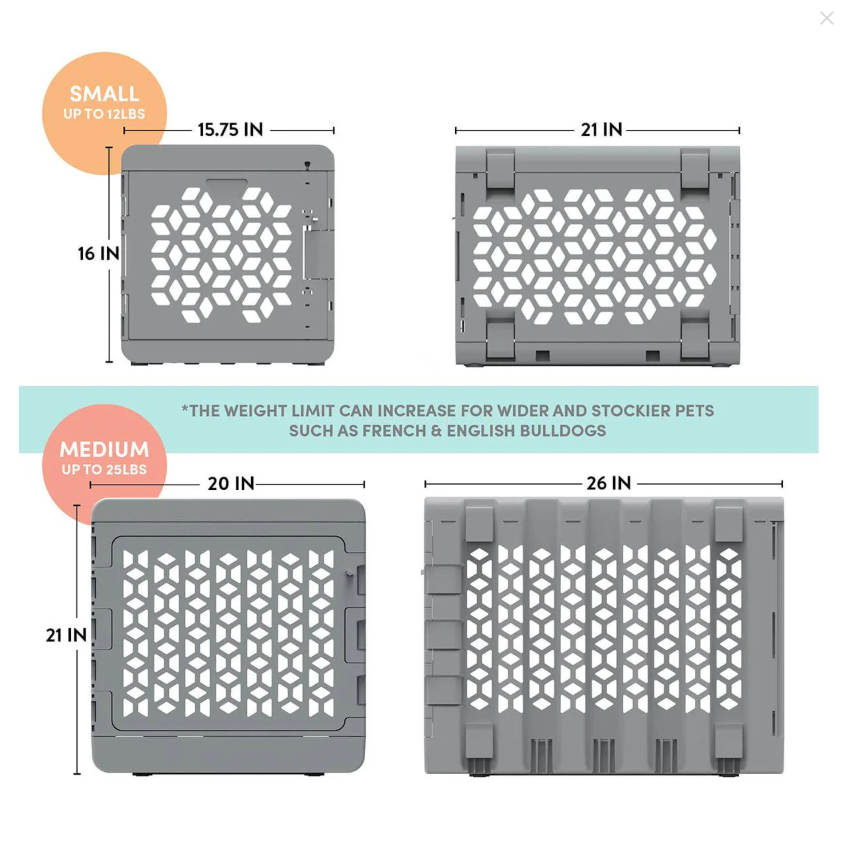
Select the Correct Size
Your puppy should be able to
Stand comfortably
Turn around easily
Lie down fully
Avoid choosing a crate that is too big or too small. Adjustable crates with dividers are great for growing puppies.
Check Ventilation
Look for crates with enough air holes on all sides. Good airflow prevents overheating.
Door Strength
The door should close securely and open smoothly. Metal doors are usually stronger than plastic ones.
Material Safety
Always choose non-toxic and BPA-free plastic. This ensures your puppy’s health and safety.
Portability
Handles and lightweight designs make transportation easier.
How to Crate Train Your Puppy Using a Plastic Crate
Crate training helps your puppy feel confident and disciplined. Follow these steps
Step One Introduce the Crate Slowly
Place the crate in a quiet corner. Keep the door open and let your puppy explore freely.
Step Two Make It Comfortable
Add soft bedding, toys, and treats inside the crate to make it inviting.
Step Three Use Positive Reinforcement
Reward your puppy whenever they enter the crate willingly.
Step Four Start With Short Periods
Begin with short sessions and slowly increase the duration.
Step Five Never Use It as Punishment
The crate should always feel safe and positive.
With time, your puppy crate plastic setup will become your puppy’s favorite resting place.
Best Ways to Use a Plastic Crate for Puppy
Home Training
Crates help control bathroom habits and prevent accidents.
Sleeping Area
Many puppies sleep better in enclosed spaces that feel secure.
Safe Travel
A plastic crate for puppy keeps your pet protected during transport.
Vet Visits
Crates reduce stress and make handling easier.
Emergency Safety
In emergencies, having a crate ready is very useful.
Common Mistakes to Avoid
Choosing the Wrong Size
Improper sizing can cause discomfort and poor training results.
Overusing the Crate
Do not leave your puppy inside for long hours. Puppies need playtime and exercise.
Poor Ventilation
Never block air holes.
Skipping Training
Without training, puppies may fear the crate.
Lack of Cleaning
Dirty crates can cause health problems.
How to Clean and Maintain a Puppy Crate Plastic Model
Regular cleaning keeps your puppy healthy.
Follow these steps:
1 Remove bedding 2 Wash with warm water and pet-safe soap 3 Scrub corners and doors 4 Rinse well 5 Dry completely
Clean weekly and disinfect monthly for best results.
Is a Plastic Crate for Puppy Safe
Yes, a plastic crate for puppy is safe when used correctly.
Make sure that
Ventilation is adequate
Locks are secure
Materials are non-toxic
Size is correct
Never keep your puppy inside for extended hours without breaks.
Important Features to Look For
When buying a crate, check for
Airline approval
Strong locks
Reinforced edges
Anti-slip base
Removable tray
Smooth corners
These features improve safety and comfort.
Conclusion
A plastic crate for puppy is a valuable tool for every pet owner. It supports training, improves behavior, and provides a safe resting place.
With the right plastic puppy crat, your puppy will feel secure, confident, and relaxed. A high-quality puppy crate plastic model helps create a balanced environment for learning and growth.
By choosing the right size, maintaining cleanliness, and following positive training methods, you can ensure a happy and healthy future for your puppy.