







Puppy Crate Training: The Complete Step-by-Step Guide for a Happy, Well-Behaved Dog (2026)
Bringing home a new puppy is exciting—but it can also be overwhelming.
From accidents on the floor to sleepless nights, early training plays a huge role in shaping your dog’s behavior. One of the most effective methods? Puppy crate training.
When done correctly, crate training provides your puppy with a safe, comfortable space while helping you establish routines, prevent damage, and speed up house training.
In this guide, you’ll learn:
- What puppy crate training really is
- Step-by-step training methods
- Common mistakes to avoid
- How to choose the right crate and bedding
What Is Puppy Crate Training?

Puppy crate training is the process of teaching your dog to see their crate as a safe, relaxing den, not a punishment.
Dogs naturally seek enclosed spaces for:
- Security
- Comfort
- Rest
👉 A crate becomes your puppy’s:
- Sleeping area
- Quiet retreat
- Personal safe zone
Why Puppy Crate Training Is So Important
Training your puppy early can prevent major problems later.
1. Faster House Training
Puppies avoid soiling their sleeping area.
Crate training:
- Encourages bladder control
- Reduces accidents
- Builds routine
2. Prevents Destructive Behavior
Untrained puppies may:
- Chew furniture
- Scratch floors
- Destroy belongings
A crate keeps them safe when unsupervised.
3. Reduces Anxiety
A properly introduced crate:
- Feels like a den
- Provides comfort
- Reduces stress
4. Makes Travel Easier
Crate-trained dogs:
- Adjust better to new environments
- Feel secure during travel
Choosing the Right Crate for Puppy Training
Your success depends heavily on the crate you choose.
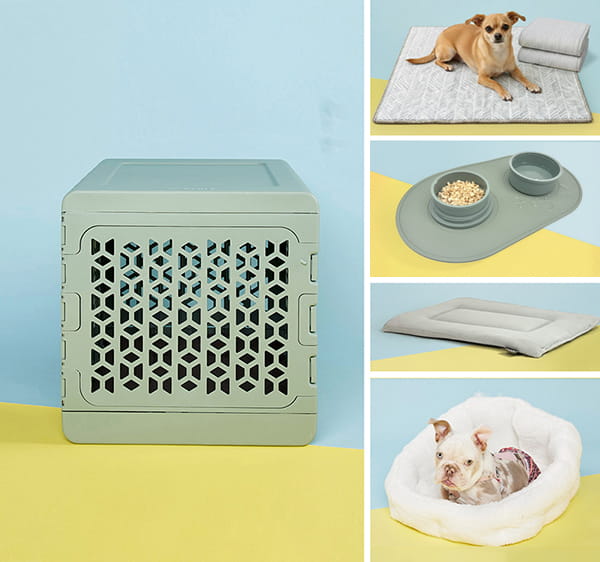
Best Option: Modern Collapsible Dog Crate
A modern dog crate is ideal for puppies because it offers:
- Smooth edges (no injuries)
- Enclosed comfort (less anxiety)
- Stylish design (fits your home)
- Portability (easy to move)
Compared to traditional wire crates, modern crates are:
- Safer
- Quieter
- More comfortable
Crate Size Matters
Your puppy should be able to:
- Stand up
- Turn around
- Lie down comfortably
Avoid oversized crates—they slow down house training.
Add a Washable Crate Bed
For best results, use a washable dog crate bed:
- Easy to clean
- More comfortable
- Hygienic
Step-by-Step Puppy Crate Training Guide
Follow this proven method for success:
Step 1: Introduce the Crate Positively
Never force your puppy inside.
Instead:
- Place treats inside
- Use toys
- Let them explore freely
Goal: Build curiosity and trust.
Step 2: Create a Comfortable Space
Make the crate inviting:
- Add soft bedding
- Include favorite toys
- Keep it in a quiet area
Step 3: Use Positive Reinforcement
Reward your puppy when they:
- Enter the crate
- Stay calm inside
Use:
- Treats
- Praise
- Gentle encouragement
Step 4: Start with Short Periods
Begin with:
- 5–10 minutes
- Gradually increase time
Never rush the process.
Step 5: Crate Training at Night
At night:
- Place crate near your bed
- Comfort your puppy if needed
Helps reduce separation anxiety.
Step 6: Leave the House Briefly
Once comfortable:
- Leave for short periods
- Gradually extend time
Puppy Crate Training Schedule (Example)
| Time | Activity |
|---|---|
| Morning | Potty + play |
| Midday | Crate rest (short) |
| Afternoon | Training + play |
| Evening | Crate time |
| Night | Sleep in crate |
Common Puppy Crate Training Mistakes
Avoid these mistakes to ensure success:
Using the Crate as Punishment
This creates fear and resistance.
👉 Always keep it positive.
Leaving Puppy Too Long
Puppies have small bladders.
General rule:
- 2–3 months: 2–3 hours max
Skipping Exercise
A tired puppy is more likely to:
- Relax
- Sleep peacefully
Inconsistent Routine
Dogs thrive on routine.
👉 Stick to a schedule.
Signs Your Puppy Is Adjusting Well
Look for these positive signs:
- Enters crate willingly
- Sleeps calmly inside
- Minimal whining
- Feels relaxed
How Long Does Puppy Crate Training Take?
Every puppy is different.
Typical timeline:
- 1–3 days: Initial comfort
- 1–2 weeks: Routine established
- 3–4 weeks: Fully trained
👉 Consistency is key.
Modern Crate vs Wire Crate for Puppies
| Feature | Modern Crate | Wire Crate |
|---|---|---|
| Safety | High | Medium |
| Comfort | High | Low |
| Noise | Quiet | Loud |
| Design | Stylish | Basic |
👉 Best choice: Modern dog crate
Pro Tips for Faster Crate Training Success
Keep It Positive
Always associate crate with:
- Comfort
- Rewards
- Safety
Use a Routine
Feed, play, and rest at consistent times.
Cover the Crate (Optional)
Helps create a den-like environment.
Stay Patient
Training takes time—don’t rush.
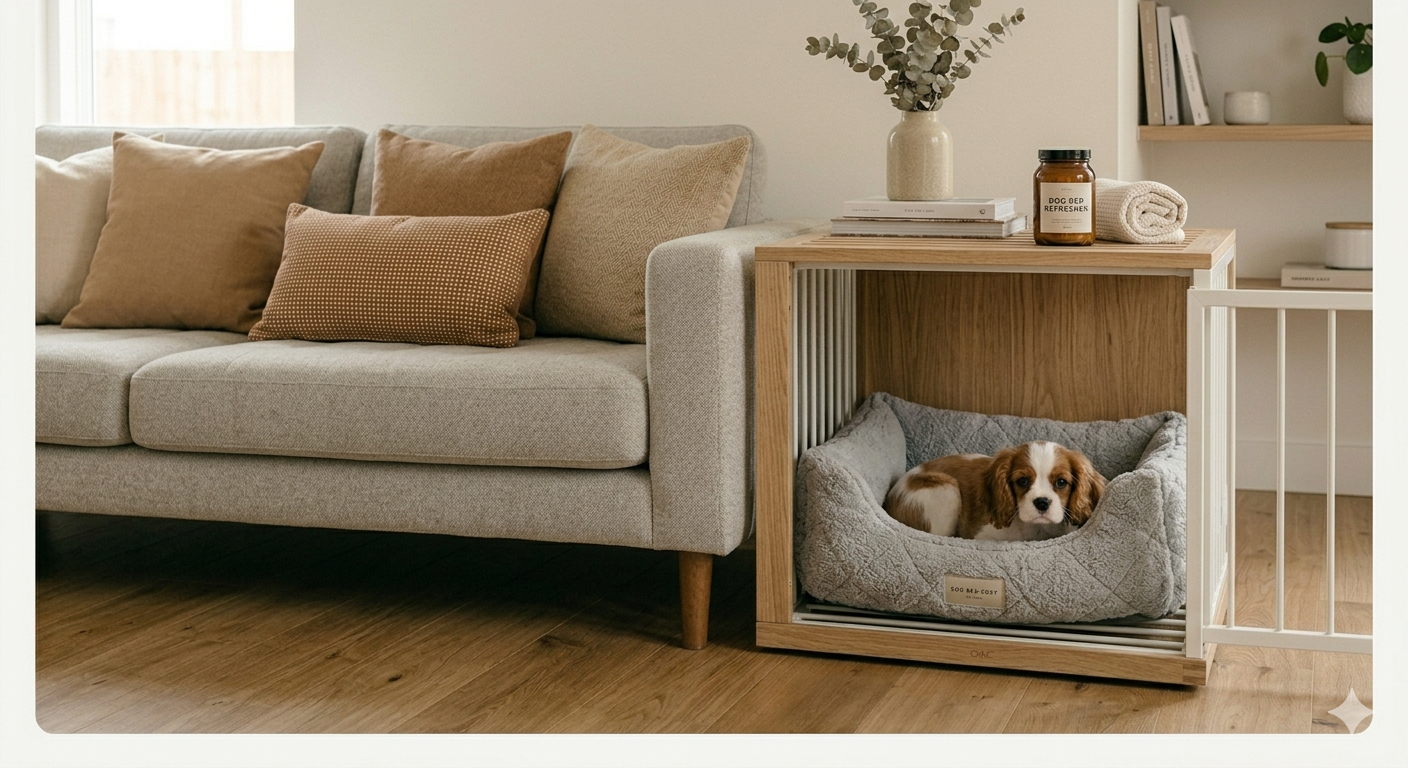
Best Setup for Puppy Crate Training
For best results, combine:
Modern Dog Crate
- Safe
- Comfortable
- Stylish
Washable Crate Bed
- Hygienic
- Easy to clean
👉 This setup creates the perfect training environment.
Is Puppy Crate Training Worth It?
Absolutely.
Puppy crate training is one of the most effective ways to:
- Build good habits
- Keep your puppy safe
- Reduce stress
- Create a structured routine
When done properly, your puppy will grow into a well-behaved, confident dog.
Leave a comment
Comments will be approved before showing up.