






Short trips on the road with pup
Key Takeaways
A short drive can be a pleasant shared adventure when your dog feels secure and you have planned for ordinary needs. A little preparation makes travling with dog calmer for everyone.
- Practice with short drives before taking a longer route.
- Secure your dog in a crate, carrier, or safety harness.
- Pack familiar food, water, medications, and comfort items.
- Plan breaks around bathroom needs, exercise, weather, and traffic.
- Keep your dog leashed and supervised at every stop.
Prepare your dog for a short road trip
A successful road trip begins well before the car leaves the driveway. Your dog’s health, habits, and comfort level all shape the experience, so preparation should be personal rather than rushed. Even a short outing deserves a simple plan and a little flexibility.
Check your dog’s health and travel readiness
Consider your dog’s age, health, mobility, and usual response to unfamiliar situations before setting out. If your dog has an illness, recent injury, severe anxiety, or a history of motion sickness, ask a veterinarian whether travel is appropriate and what precautions may help. The veterinary travel guidance is also a useful reminder to consider health and temperament together.
Practice with brief drives before departure
Start with the car parked and turned off, then let your dog explore the space without pressure. Progress to a few minutes around the block and gradually lengthen the rides when your dog remains relaxed. End early if your dog becomes distressed; calm repetition builds a better association than one overwhelming trip.
Update identification and emergency contact details
Check that your dog’s collar tag and microchip information are current, and add a phone number you will answer while traveling. Carry a recent photo and any essential medical details in your phone and in a small paper folder. These quiet preparations matter most when plans suddenly change.
Plan around your dog’s temperament and routine
Some dogs settle quickly, while others need more time, space, and reassurance. Keep meals, medication, and rest as close to their normal schedule as possible, and choose a route that leaves room for breaks. Your dog’s familiar rhythm can make an unfamiliar day feel much more manageable.
Set up a safe space in the car
The car should give your dog a defined, protected place to ride rather than access to every seat and footwell. Choose equipment that fits your dog properly and secure it before loading your furry family member. A predictable setup can make the whole drive feel quieter.
Choose between a crate, carrier, or safety harness
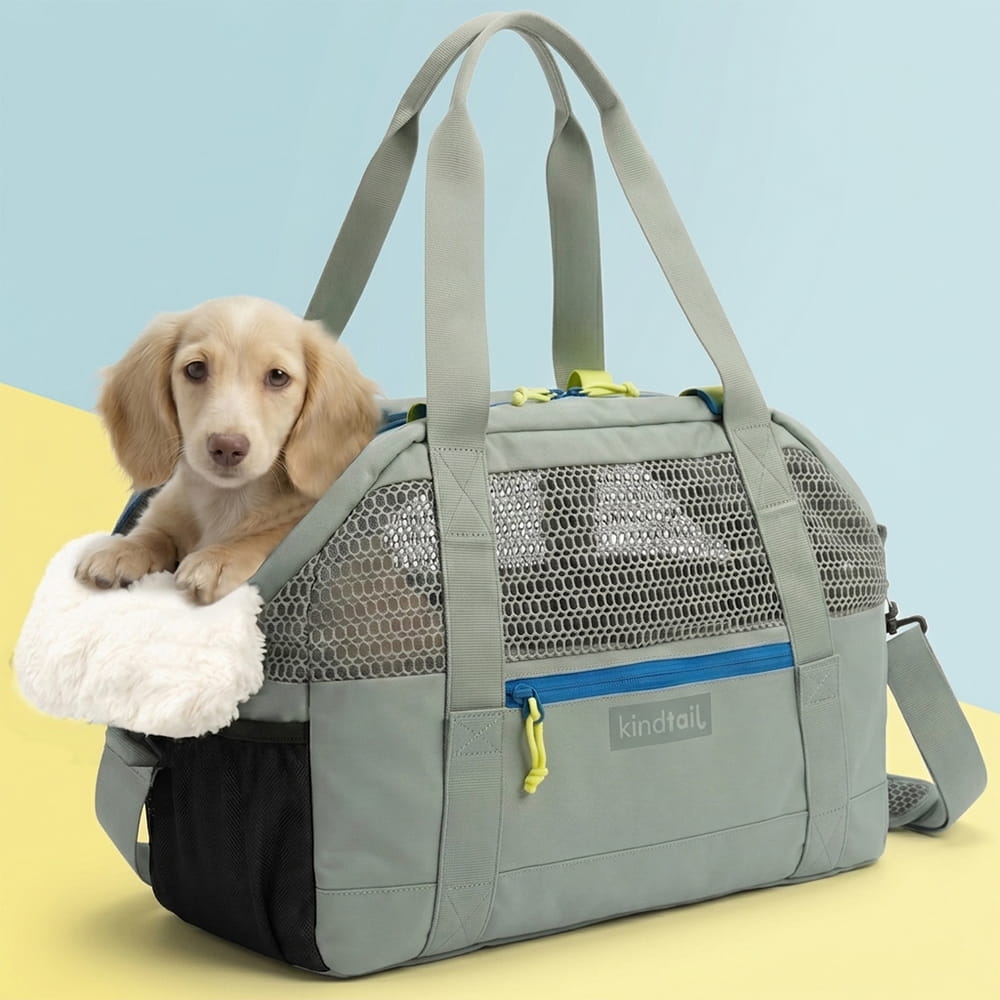
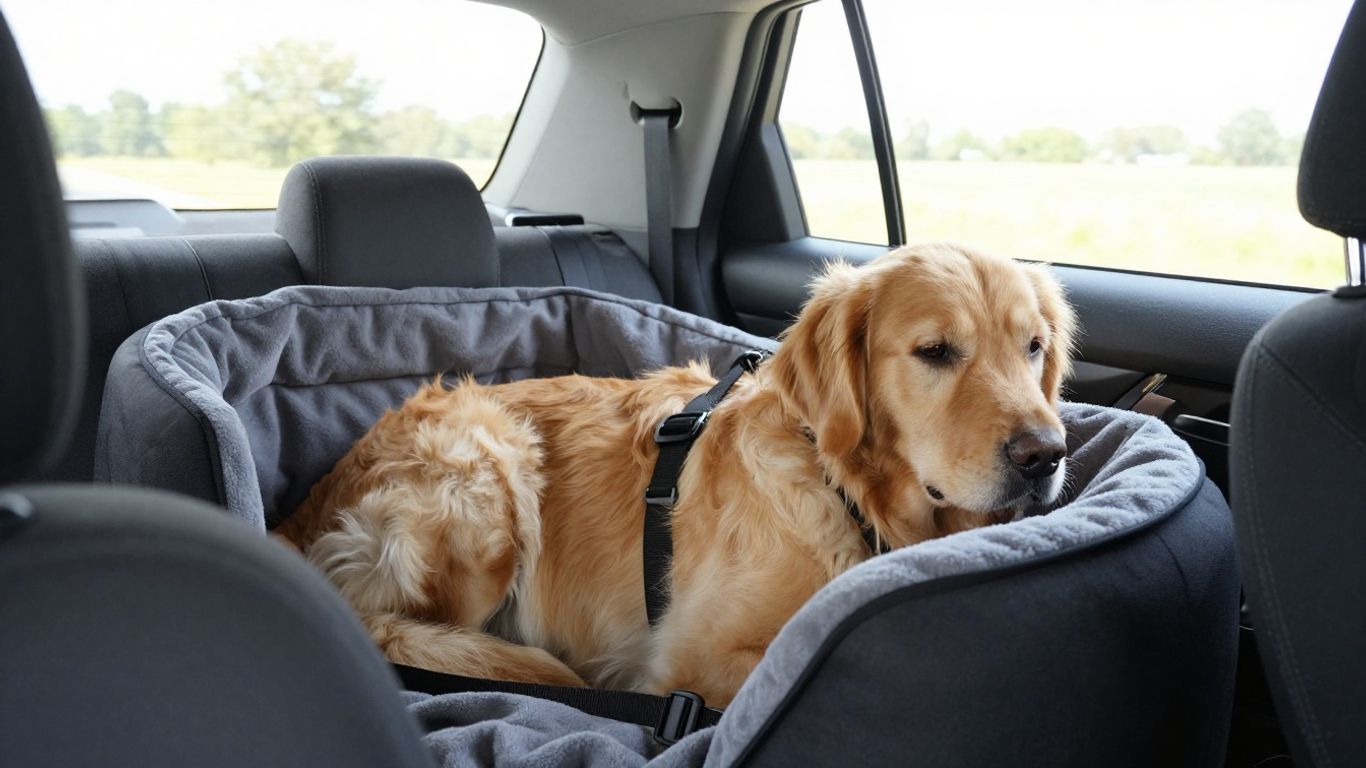
A crate or carrier can provide a contained retreat, while a properly fitted safety harness allows some dogs to ride with more openness. The right choice depends on your dog’s size, comfort, and past experience, as well as the vehicle. Whatever you use, check that it is appropriate for the dog and attached according to its instructions.
Secure your dog away from airbags and open windows
Keep your dog in the back seat or another protected area away from front airbags. Never allow a dog to ride loose in the vehicle or lean through an open window, even on a quiet neighborhood road. Before starting, test the restraint gently and make sure doors and windows cannot be opened accidentally.
Keep the back seat comfortable and well ventilated
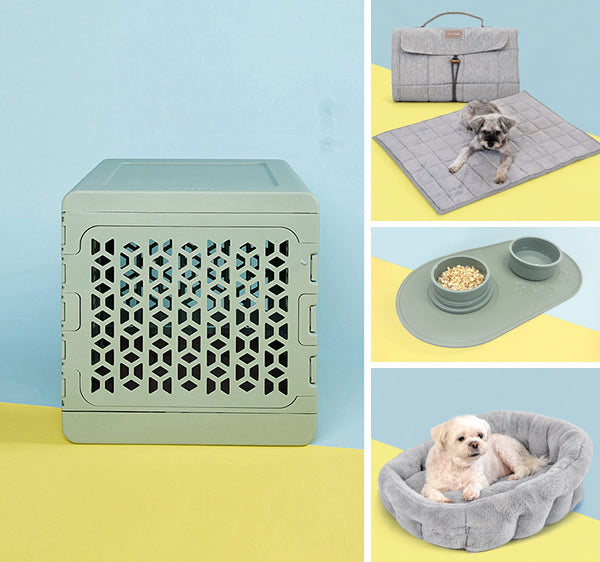
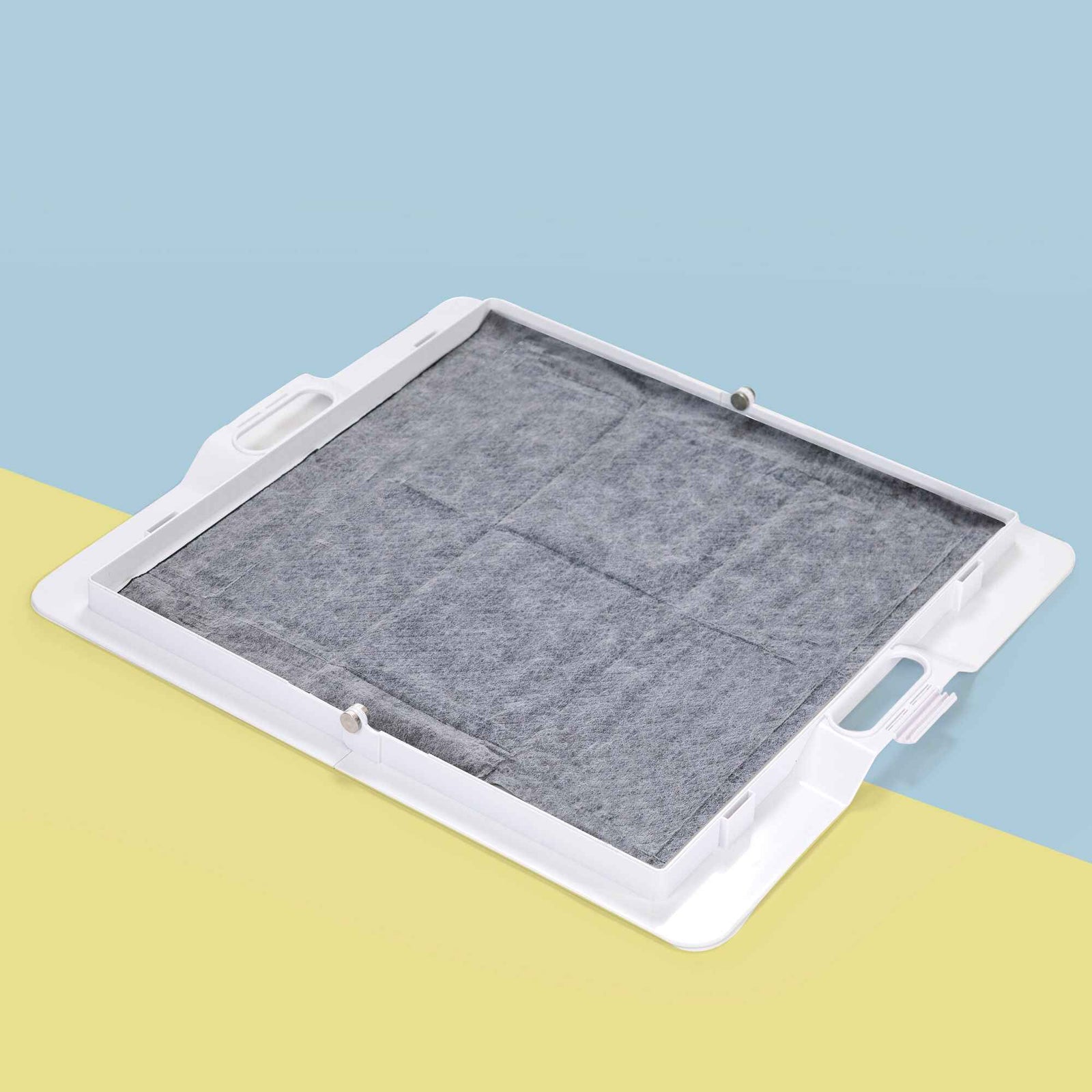
Use a washable layer beneath the crate or harness area and keep the temperature steady. Leave enough room for your dog to sit, lie down, and adjust position without being cramped. A collapsible crate such as the KindTail PAWD can provide a familiar, space-saving place for rest during travel, according to the product’s documented positioning.
Prevent distractions while you are driving
Put toys, treats, and loose bags where your dog cannot reach them while the car is moving. Set navigation and music before departure, and ask another adult to help if your dog needs attention. The driver’s job is to keep eyes and hands focused on the road, not to soothe a restless passenger mid-turn.
Pack the essentials for traveling with dog
Packing for a dog is less about bringing everything and more about bringing the things that support safety, routine, and cleanup. Prepare the bag before the morning rush, then keep it easy to reach. A dependable kit means fewer improvised stops and less worry when the unexpected happens.
Bring food, water, bowls, and familiar treats
Measure enough of your dog’s regular food for the trip, with a little extra in case of delays. Bring drinking water when practical, along with bowls your dog already recognizes. The Portabowl set is described as a compact, stackable feeder for keeping food and water accessible while traveling, which can simplify mealtimes away from home.
Pack a leash, waste bags, towels, and cleanup supplies
Keep a sturdy leash and waste bags near the car door rather than buried under luggage. Towels, wipes, and a spare washable layer are useful for muddy paws, spills, or a bout of carsickness. A small waterproof bag can hold used towels until you reach a place to clean them.
Include medications, medical records, and first-aid items
Bring medications in their original containers and follow the schedule your veterinarian provided. Add copies of relevant records, contact information for your veterinarian, and simple first-aid supplies appropriate for your dog. Do not give travel medication unless it has been discussed with a veterinary professional.
Add comfort items such as a blanket or favorite toy
A blanket that smells like home or a familiar toy can make the car feel less strange. Choose safe items that will not become a choking hazard or create a distraction while you drive. The goal is a small, recognizable comfort—not a crowded seat full of loose objects.
Plan a dog-friendly route
A route that looks quick on a map may not suit a dog who needs regular movement or quiet breaks. Look beyond arrival time and think about where you can stop safely, refill water, and give your dog a few minutes to sniff. Flexible planning usually makes a short trip feel easier.
Find suitable rest stops and walking areas
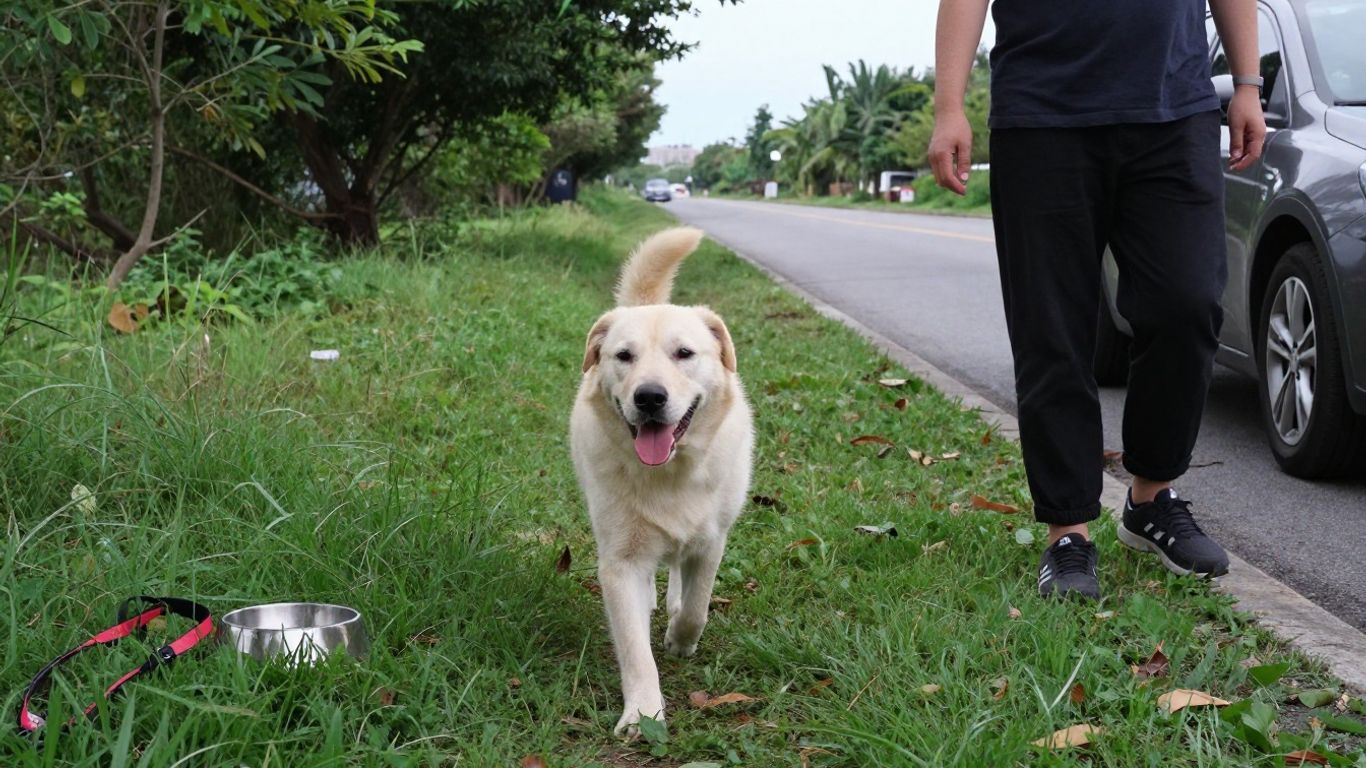
Search for parks, quieter rest areas, or pet-friendly businesses before leaving. Check whether dogs must remain leashed and whether the walking surface is suitable for your dog’s paws. A destination with one or two realistic stop options is better than a vague promise to pull over somewhere along the way.
Schedule breaks for bathroom needs and exercise
Plan breaks according to your dog’s age, habits, and the length of the drive. Keep stops short but unrushed: offer water, allow a bathroom opportunity, and give your dog time to walk and sniff. These pauses can release tension without turning a simple drive into an exhausting expedition.
Check weather, traffic, and road conditions
Heat, cold, storms, construction, and heavy traffic can all change the safest plan. Review conditions before leaving and again if the trip takes longer than expected. If the weather becomes unsafe or your dog is struggling, changing the route—or postponing the outing—is a responsible choice.
Identify nearby veterinary clinics along the route
Note the names and phone numbers of veterinary clinics near your destination and along longer stretches of road. Save them before driving so you are not searching while stressed. For a routine local trip, this may take only a few minutes, but it gives you a clearer backup plan.
Keep your pup comfortable during the drive
Comfort is built through small observations rather than constant activity. Watch your dog’s posture, breathing, vocalizations, and willingness to accept water or treats. A quiet dog is not always a comfortable dog, so check in at each planned stop.
Use familiar routines for meals and rest
Feed your dog at a familiar time and avoid making a large meal immediately before departure if that tends to upset their stomach. Keep the usual blanket or rest cue nearby, and let your dog settle before the car starts moving. Predictability helps the ride become part of an ordinary routine.
Help manage motion sickness and travel anxiety
Fresh air, gradual practice, and a steady driving style may help some dogs, but persistent nausea or panic deserves veterinary advice. Avoid introducing a new supplement or medication on the day of travel without professional guidance. Give your dog time to recover between practice rides rather than pushing through distress.
Watch for signs of overheating, stress, or discomfort
Panting, drooling, trembling, repeated whining, vomiting, frantic movement, or unusual lethargy can signal that your dog needs attention. Pull over somewhere safe, check the temperature, and offer a calm break. If symptoms are severe, worsening, or unfamiliar, contact a veterinarian promptly.
Never leave your dog alone in a parked car
A parked car can become dangerously hot or cold even when the weather feels mild outside. Take your dog with you, use a drive-through, or have another adult remain with them while the vehicle is occupied. Never rely on a cracked window as protection.
Make stops safe and enjoyable
A stop is both a safety moment and a chance for your dog to reset. Parking areas can be noisy, crowded, and full of unfamiliar smells, so slow down as you move from the car to the walking area. Keep your attention on your dog rather than on bags, phones, or the clock.
Use a leash before opening the car door
Attach the leash while your dog is still inside the secured space, then check the clip before opening the door. Hold it firmly and position yourself between your dog and nearby traffic. This simple order prevents an excited dog from jumping out before you are ready.
Offer water and short exercise breaks
Give water in small, comfortable amounts and allow a gentle walk rather than intense exercise beside a busy road. Letting your dog sniff can be mentally satisfying without requiring a long workout. Keep the break suited to the weather and your dog’s energy level.
Inspect paws after walks and parking-area stops
Look for hot pavement, sharp gravel, burrs, ice melt, or anything stuck between the toes. Wipe paws before your dog returns to the car, especially after walking through dirty or treated areas. Catching a small irritation early can prevent a much harder ride home.
Clean up and secure your dog before continuing
Collect waste, dry wet fur, and put towels or used supplies into their separate bag. Offer a final drink if appropriate, then secure your dog before the vehicle moves. A brief reset keeps the next stretch of driving calmer and protects the driver from loose gear.
Handle arrival and the trip home
Arrival is not the moment to abandon every familiar rule. Your dog may be excited, tired, or unsettled by new smells, rooms, and people. Give them a quiet landing, then keep the return trip in mind while the supplies are still easy to find.
Help your dog settle into the new surroundings
Start with a calm walk and a chance to investigate the immediate area on leash. Set up the familiar blanket, food, water, and rest space before inviting lots of interaction. Let your dog choose a slower pace; a peaceful first hour can shape the rest of the visit.
Confirm pet rules at hotels, rentals, or destinations
Check rules before arrival, including leash requirements, restricted areas, fees, weight limits, and whether dogs may be left unattended. Keep the host’s contact details handy and ask where bathroom breaks are appropriate. Clear expectations prevent awkward surprises for you, your dog, and other guests.
Maintain feeding, walking, and medication schedules
Try to serve meals and give medication at the usual times, even when the day’s activities change. Keep walks predictable and provide a quiet rest period after arrival. Familiar care reassures your dog that the new place is temporary and their needs remain dependable.
Check the car and supplies before the return drive
Before heading home, look under seats and in the trunk for leashes, bowls, medications, toys, and waste bags. Refill water, remove damp bedding, and check that the restraint is still in good condition. A two-minute inventory prevents a tired, hungry passenger from turning the final leg into a scramble.
Conclusion
Short road trips with a dog become much more enjoyable when safety, routine, and comfort guide the plan. Prepare thoughtfully, drive patiently, take calm breaks, and give your furry family member a familiar place to settle from departure through the ride home.
Frequently Asked Questions
How long can a dog ride in a car?
There is no single ideal limit for every dog. Consider age, health, temperament, weather, and access to safe breaks, then stop regularly for water, bathroom needs, and movement.
Should my dog eat before a car ride?
Many dogs do better with a normal meal schedule and a lighter amount before travel, especially if they are prone to nausea. Ask your veterinarian for advice tailored to your dog.
What is the safest place for a dog in the car?
The back seat is generally preferable, with your dog secured in a properly fitted crate, carrier, or safety harness. Keep dogs away from airbags and never let them ride loose.
How often should I stop during a road trip with my dog?
Plan stops based on your dog’s bathroom habits, age, health, and comfort. A break every couple of hours is a useful starting point for many healthy adult dogs, but individual needs vary.
How can I reduce my dog’s travel anxiety?
Practice with brief, positive drives and use familiar bedding, calm handling, and a steady routine. If anxiety remains intense, consult a veterinarian before trying medication or supplements.
What should I pack for a short drive with my dog?
Bring food, water, bowls, a leash, waste bags, towels, medications, medical information, identification details, and a familiar comfort item. Add extra supplies if weather or traffic could delay you.
Can I leave my dog in the car while I run an errand?
No. Temperatures inside a parked vehicle can become dangerous quickly, even when conditions outside seem comfortable. Take your dog with you or arrange for another adult to supervise them safely.
Leave a comment
Comments will be approved before showing up.