







Van life with your dog: A practical guide to safe, happy travels
Key Takeaways
Van life can be a lovely way to explore together, as long as your dog’s comfort and safety shape the plan. A few steady habits make life in a small space feel more familiar.
- Give your dog a secure place to rest and time to adjust to the van.
- Use a properly secured travel setup and plan regular breaks.
- Keep meals, exercise, and downtime as consistent as you can.
- Watch the temperature closely and avoid unsafe periods alone in the van.
- Pack health essentials and check pet rules before you arrive.
Prepare your van and dog for life on the road
A van becomes home through small, familiar routines, not just a clever layout. Before you set off, consider where your dog will sleep, how they’ll move around, and what helps them settle after a busy day. The practical ideas in this van life with dogs guide can help you think through the adjustment before your first longer trip.
Choose a layout that gives your dog a secure resting spot
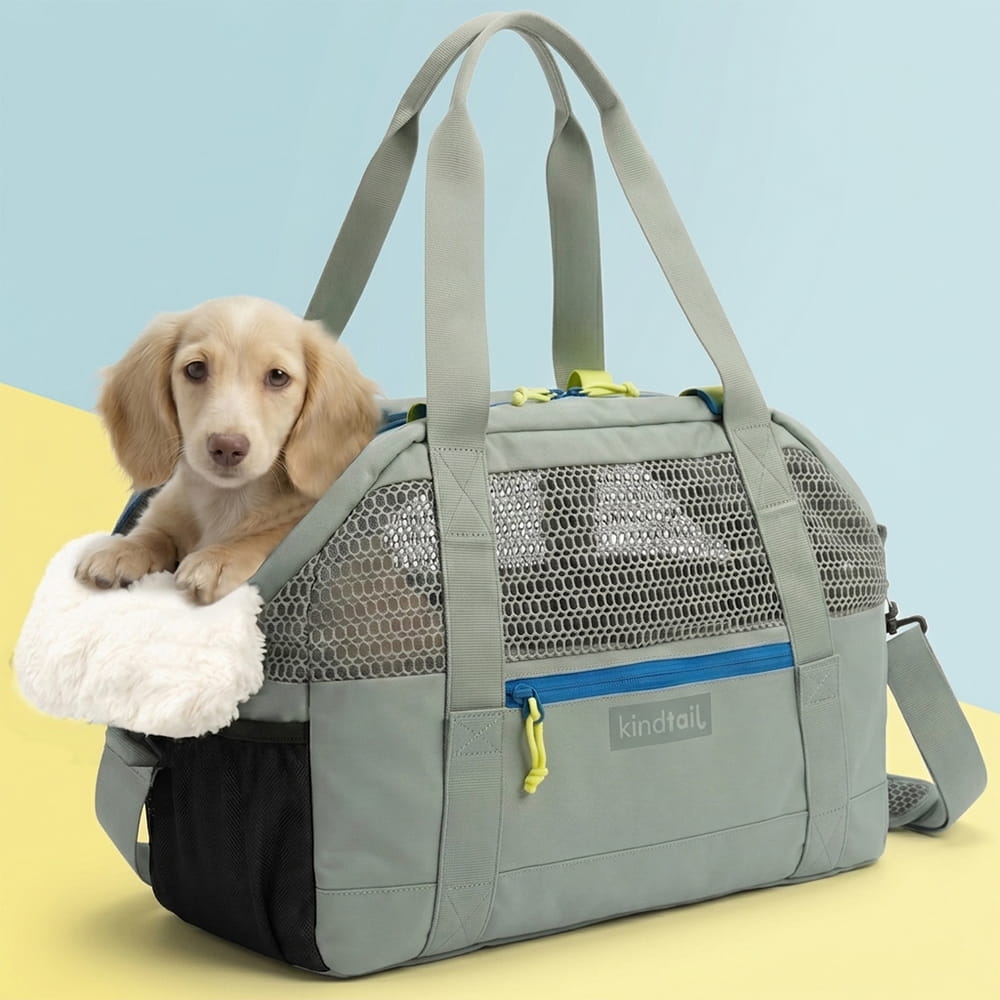
Pick a spot that stays clear of doors, cooking equipment, and shifting gear. Your dog should be able to lie down comfortably without blocking an aisle or getting underfoot when you move around. KindTail’s PAWD is a collapsible crate solution for travel; a familiar, defined space like a crate can also make it easier for a dog to find a place to settle. Measure the area with your dog’s resting position in mind, rather than choosing a spot based on floor space alone.
Create a familiar bed and bring comforting items from home
A bed or blanket that already smells like home can make an unfamiliar van feel less strange. Bring a few favorite toys, but avoid crowding a small space with items your dog won’t use. If you’re weighing bedding and travel comforts, this guide to making dogs comfortable on trips offers ideas for creating a familiar resting place. Keep the essentials within reach so you can set up the same cozy nap spot at each stop.
Introduce your dog to the van with short, positive visits
Let your dog explore while the van is parked and quiet, then gradually add short stays and brief drives. Keep early visits calm and end them before your dog becomes overwhelmed; a treat, a meal, or a few minutes of relaxed sniffing can help the van feel welcoming. For shorter outings, these short road trip tips offer a useful starting point for building comfort a little at a time. If your dog remains uneasy, slow down rather than asking them to adapt on a fixed schedule.
Check local pet rules before choosing destinations
Rules can differ between campgrounds, parks, and towns, so check before committing to a route or reservation. Look for leash requirements, restricted areas, and whether pets are allowed on trails or in shared spaces. If your trip involves regulated cargo rather than ordinary pet supplies, HazMat transport licences are a separate matter from pet travel rules. A little checking ahead can help you choose stops that suit both your plans and your dog.
Keep your dog safe while driving
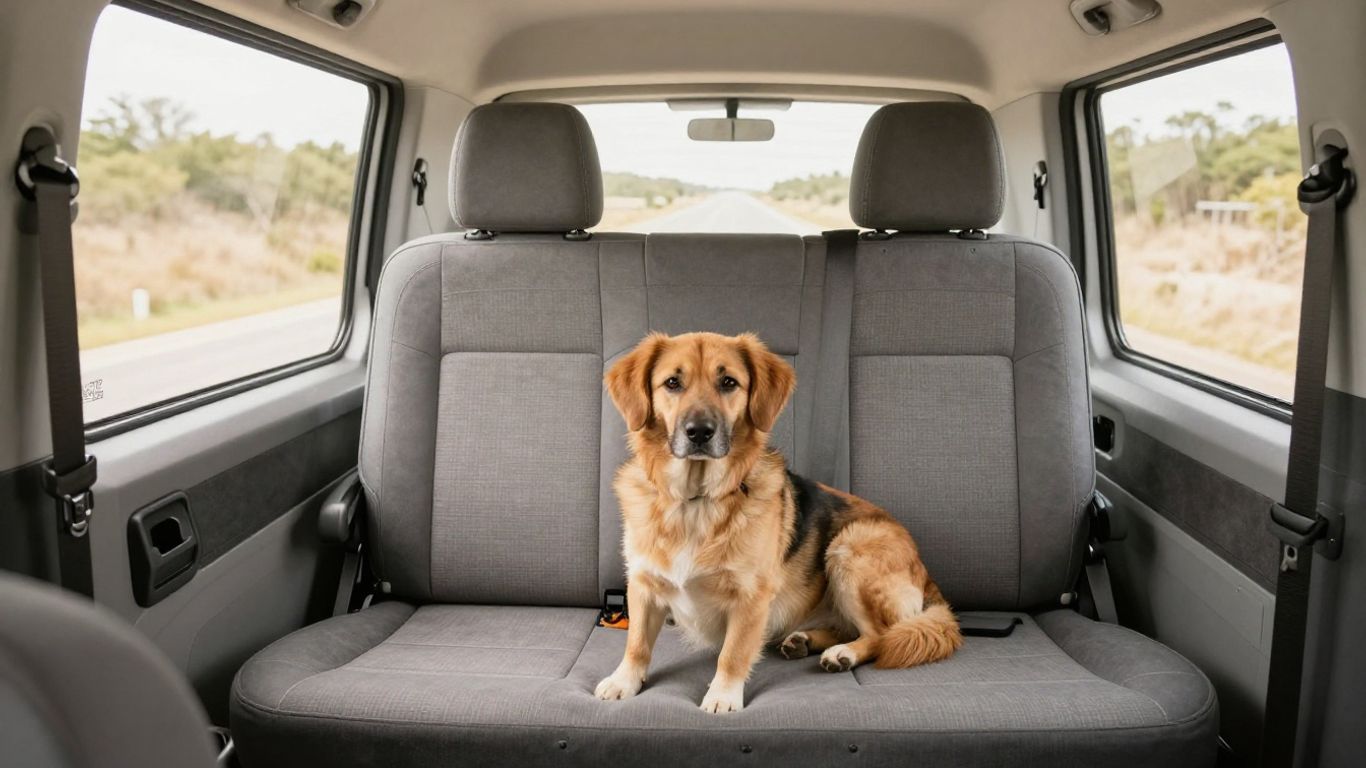
A dog’s travel setup should stay secure when the van moves, brakes, or turns. Decide where your dog will ride before loading up, and make that space part of every departure routine. Comfortable travel matters, but it must not come at the cost of a safe, restrained ride.
Use a crash-tested harness, crate, or travel carrier
Choose a restraint or carrier designed for vehicle travel and sized for your dog, then follow its installation instructions. A crate should be secured so it cannot slide, and a harness should attach as directed rather than to a loose object. Practice using the setup while parked before taking a longer drive. A calm, familiar arrangement can help your dog rest, but it is not a substitute for correct restraint.
Secure food, water, and loose gear before setting off
Bowls, bags, and loose equipment can shift when the van moves, so put them away before you leave. Keep your dog’s food accessible at stops, and carry water where it won’t spill onto bedding or electrical equipment. A dedicated travel feeder can help keep meals organized; the KindTail traveling dog feeder is described as a travel feeder for outings and road trips. Stowing supplies securely makes it easier to focus on driving and offer food or water when parked.
A simple check of the storage area can prevent a small item from becoming a distraction. Consider how these common essentials should be carried:
| Item | Before driving | At a stop |
|---|---|---|
| Food | Sealed and secured | Served in a calm spot |
| Water | Bottle or container stowed upright | Offered fresh |
| Bowl | Stored so it cannot slide | Set on a stable surface |
| Loose gear | Put away from the dog’s restraint | Retrieved as needed |
Keep the dog’s riding area clear, then make food and water available once the van is parked. That simple separation helps keep supplies close without turning them into loose cargo.
Plan regular stops for water, bathroom breaks, and movement
Build breaks into the route rather than waiting until your dog is restless. The right timing depends on your dog’s age, health, and comfort on the road, so pay attention to their usual needs. At each safe stop, offer water and a chance to stretch, sniff, and take a bathroom break. A little flexibility can make the drive easier for everyone.
Never let your dog ride unrestrained in the cab or living area
An unrestrained dog can be hurt by sudden movement and may distract the driver. Keep your dog secured in the planned riding area, including when the van is moving slowly or covering a short distance. Don’t let them roam between the cab and living space while you drive. Make sure every passenger knows the routine before setting off.
Build a routine that works in a small space
A compact home can still support a dog’s everyday needs when the day has a gentle rhythm. Meals, walks, play, and rest all need a place in the plan, even when the route changes. Consistency doesn’t mean every day has to look identical; it gives your dog familiar cues amid new surroundings.
Set consistent times for meals, walks, and rest
Try to keep meals and walks within a familiar rhythm, adjusting the exact hour when travel requires it. A predictable sequence—wake, walk, breakfast, settle—can help your dog understand what comes next. Take care not to serve meals right before a bumpy drive if your dog is prone to discomfort. A repeatable pattern is more useful than a rigid timetable.
Balance daily exercise with your dog’s age and energy level
Plan outings around the dog in front of you: age, fitness, weather, and health all matter. Some dogs are happiest with a long walk; others do better with several shorter chances to explore. If you’re choosing a trail or campsite, this hiking and camping guide for dogs covers outdoor preparation and comfort. Start conservatively in unfamiliar terrain and give your dog time to recover between active days.
Use enrichment games for rainy days and travel breaks
A small van doesn’t leave much room for a full play session, but short activities can keep a dog engaged. Rotate a few simple options so they stay interesting, and choose games that won’t send gear flying through the cabin. For example, a rainy afternoon or a quiet break might include:
- Hiding a few pieces of kibble in a snuffle mat or folded towel.
- Practicing a familiar cue for a few minutes.
- Offering a safe chew or a favorite toy.
- Playing a quiet scent-finding game in a secure area.
Keep sessions brief and suited to the space, then put everything away before driving. Calm enrichment can usefully fill a slow stretch without asking your dog to stay busy all day.
Make room for quiet time after busy outings
New trails, people, and smells can be exciting, but dogs also need a chance to switch off. After an outing, offer a familiar resting spot and reduce noise and activity around it. KindTail’s portable crates are described as travel accessories that can create a safe, cozy space for a dog; a crate that your dog already knows may serve as a quiet retreat when it suits their needs. Watch for signs that your dog needs a break and let rest be part of the day, not an afterthought.
Manage temperature and time alone
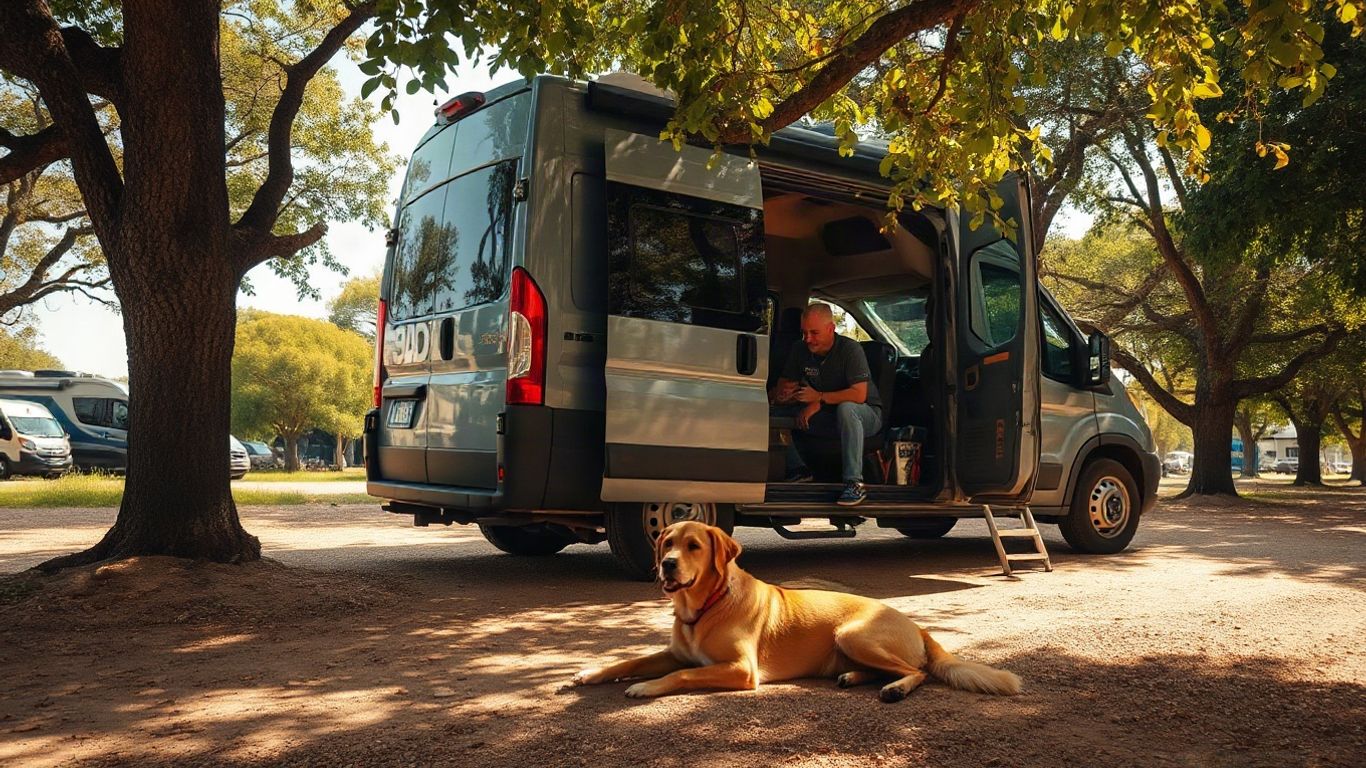
A parked van can change quickly with the weather, and the temperature inside may not match what you feel outside. Make decisions based on the conditions where you are, how long you would be away, and your individual dog’s needs. When in doubt, take your dog with you or change the plan.
Monitor the van’s temperature in changing weather
Check the interior temperature and reassess as clouds, shade, wind, or sunshine shift. Don’t assume conditions will stay comfortable just because they were mild when you parked. Before a longer winter departure, arranging winter pipe protection at home can be one more practical household task to handle before travel. For your dog, the van’s current conditions—not a guess based on the forecast—should guide your decision.
Avoid leaving your dog alone in a parked van during unsafe conditions
If the van may become too hot or cold, don’t leave your dog inside while you run an errand. Even a short absence can become longer than planned, and a comfortable starting temperature is no guarantee it will remain safe. This guide to leaving dogs alone in a van discusses the issue, but no setup replaces checking conditions and choosing the safer option. If you can’t be confident your dog will stay comfortable, take them with you or stay together.
Arrange a trusted sitter or dog-friendly activity when needed
Some stops simply aren’t suitable for dogs. Before the trip, identify a trusted sitter, a dog-friendly place to spend time, or another safe option for situations where your dog can’t come along. A sniffer app may help pet owners connect with other pet parents and find pet-focused social opportunities, though you’ll still want to check whether any activity fits your dog. Make arrangements in advance so you’re not searching under pressure.
Recognize signs of stress, overheating, or cold
Your dog’s behavior can tell you when a situation is becoming uncomfortable. Persistent panting, unusual agitation, weakness, shivering, or reluctance to move deserve attention, especially when paired with concerning temperatures. Move to a safer environment and contact a veterinarian if symptoms worry you or don’t improve. Learning your dog’s normal behavior makes changes easier to notice.
Travel responsibly through campgrounds and public spaces
Sharing a campground or trail means making space for other visitors, wildlife, and local rules. A dog who is comfortable on leash and accustomed to calm introductions is easier to bring along. Plan ahead, then keep checking in with your dog as the surroundings change.
Review leash, noise, and pet policies before arrival
Check the site’s rules before you arrive, including leash requirements, quiet hours, and areas where pets aren’t allowed. Don’t assume that a rule at one campground applies at the next. If you keep a travel website and are changing its structure, SEO migration planning is a separate digital project; for the campground itself, follow its current pet policies. Knowing what to expect helps you avoid a stressful arrival.
Respect wildlife and keep your dog on designated trails
Keep your dog on permitted trails and follow posted leash rules, even when the path looks empty. Wildlife can be close by and easy to miss, and unfamiliar ground may contain hazards for paws. Check your dog regularly for debris or discomfort, and bring water on outings. Leaving space for wildlife protects your dog as well as the place you came to enjoy.
Clean up after your dog and reduce barking
Carry waste bags and dispose of them properly rather than leaving them at the edge of a campsite or trail. If your dog is barking, consider whether they need distance from a noise, activity, or neighboring campsite. A calm walk or a quiet break inside the van may help. Small acts of courtesy make shared spaces more pleasant for other visitors.
Introduce your dog calmly to new people and animals
Give your dog room to observe before approaching someone new. Ask before allowing greetings, keep the leash secure, and don’t expect every dog or person to want contact. A pet travel community app may offer ways to meet other pet owners, but take introductions at your dog’s pace in person. A brief, relaxed interaction is a better goal than a forced hello.
Plan for your dog’s health and everyday needs
Routine care is easier to manage when the basics are packed and easy to find. Think through meals, medication, identification, and what you would do if your dog became unwell far from home. Keeping a current record of useful details can make a change of plan less chaotic.
Pack food, medications, and a compact first-aid kit
Bring enough of your dog’s usual food for the planned trip, plus a little extra in case the route changes. Pack medications in their original containers when possible and keep dosing instructions accessible. A compact pet first-aid kit can cover simple needs on the road, but it is not a substitute for veterinary care. Keep supplies together so you can find them quickly at a stop.
Keep vaccination records, ID tags, and microchip details current
Check that your dog’s tag has current contact details and that their microchip registration is up to date. Carry vaccination records in a format you can access while traveling, and keep a backup copy if practical. If you’re also updating a small business’s online presence, a DIY SEO checklist covers that separate task; your dog’s records should remain easy to retrieve regardless of internet access. Taking a few minutes to verify the details before leaving is worthwhile.
Find veterinary clinics along your route
Make a short list of veterinary clinics near the places you expect to visit, including an emergency option where possible. Save addresses and phone numbers before entering areas with limited reception. If you’re unsure whether a symptom can wait, call a veterinary professional for guidance rather than relying on guesswork. Route flexibility can be especially valuable when your dog needs care.
Adjust plans for illness, injury, or changing mobility needs
A dog may need a slower pace than the itinerary suggests, particularly after an injury or as mobility changes with age. Be ready to shorten an outing, add rest days, or choose accessible paths and comfortable overnight stops. If illness or injury occurs, put veterinary advice ahead of the original schedule. The best road plan is one you can change when your dog needs something different.
Conclusion
Van life with your dog works best when comfort and care are built into the journey from the start. With a secure place to rest, sensible travel habits, a flexible routine, and a plan for changing conditions, the road can feel more manageable for you and your furry family member.
Frequently Asked Questions
Is van life suitable for every dog?
Not necessarily. A dog’s health, temperament, comfort with travel, and ability to adjust to changing surroundings all matter, so consider their needs before committing to life on the road.
How can I help my dog adjust to a van?
Start with calm visits while the van is parked, then try brief stays and short drives. Keep familiar bedding nearby and move at a pace that lets your dog remain comfortable.
Where should my dog sleep in a van?
Choose a quiet, secure spot with enough room for your dog to rest comfortably. Keep it away from cooking equipment, doors, and loose items that could shift.
How often should I stop when driving with my dog?
There is no single schedule for every dog. Plan regular breaks for water, bathroom needs, and movement, then adjust them to your dog’s age, health, and behavior.
Can I leave my dog alone in a parked van?
Only consider it when conditions are safe and you can be confident they will remain so. If temperature or timing is uncertain, take your dog with you or arrange another safe option.
What should I pack for my dog on the road?
Bring their usual food, medications, water, bowls, leash, waste bags, familiar bedding, identification, health records, and a compact first-aid kit suited to your plans.
How do I find dog-friendly places to stop?
Check campground, park, and trail rules before arrival, including leash requirements and restricted areas. Confirm details directly when policies or conditions are unclear.
Leave a comment
Comments will be approved before showing up.