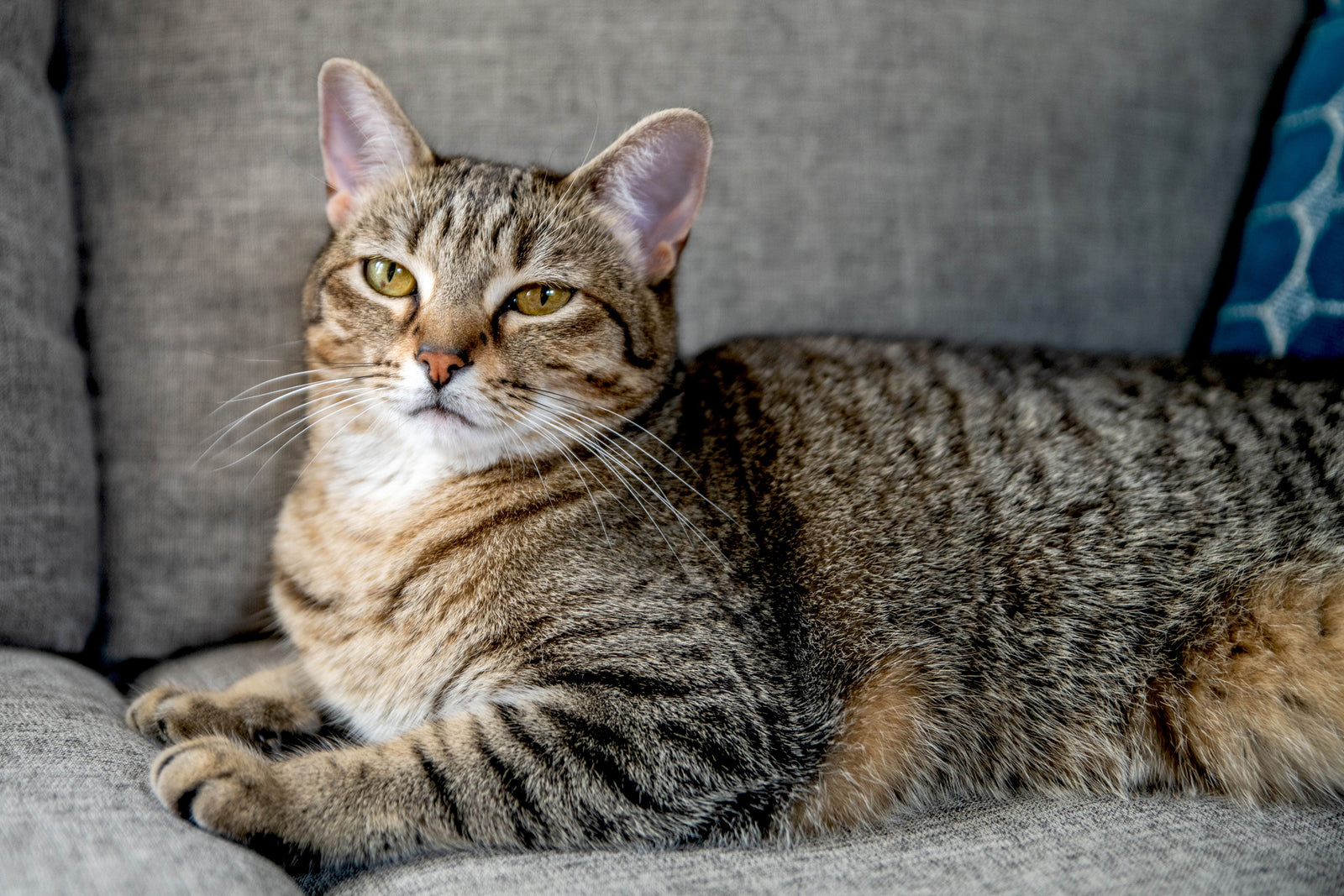
Cats have lived alongside humans for thousands of years, yet they still retain many of their wild instincts. Their behaviors may seem mysterious or even contradictory at times, but when we take a closer look, cat characteristics offer valuable insights into how animals interact with their environment. Understanding these traits can help us design better, more comfortable, and more enriching pet spaces—not just for cats, but for all companion animals.
By studying feline behavior, sensory preferences, and natural instincts, pet owners and designers alike can create living spaces that support emotional well-being, reduce stress, and encourage healthy activity. In this article, we’ll explore key cat characteristics and what they can teach us about designing smarter, more pet-friendly environments.
Understanding Cat Characteristics and Their Origins
To design better pet spaces, we first need to understand where cat characteristics come from. Domestic cats evolved from solitary hunters who relied on stealth, observation, and quick reflexes. These traits are still deeply ingrained in modern house cats.
Some defining cat characteristics include:
A strong desire for control over their environment
Sensitivity to sound, smell, and movement
A preference for vertical spaces
A need for privacy and personal territory
Curiosity combined with caution
These feline traits influence how cats move through space, where they choose to rest, and how they interact with both people and other animals.
The Importance of Vertical Space in Pet Design
One of the most recognizable cat characteristics is their love for height. Cats naturally seek elevated positions because they provide safety, visibility, and control. In the wild, high ground allows cats to observe prey and avoid threats.
Design Lesson: Think Vertically
In pet-friendly home design, vertical space is just as important as floor space. Cat trees, wall-mounted shelves, window perches, and tall furniture all help satisfy this instinct.
This concept can also be applied to multi-pet households. Dogs, small animals, and even birds benefit from layered environments that allow separation and choice. Designing vertically helps reduce stress and competition for space.
Privacy and Safe Retreats Matter
Another essential cat characteristic is the need for solitude. While cats can be affectionate, they also require private areas where they can retreat without being disturbed.
Design Lesson: Create Quiet Zones
A well-designed pet space should include:
Enclosed beds or hideaways
Low-traffic areas away from noise
Covered resting spots where pets feel protected
This principle applies to all animals. Dogs, for example, also benefit from designated quiet areas where they can relax undisturbed. Providing these safe retreats supports emotional regulation and reduces anxiety.
Cats Teach Us the Value of Predictable Environments
Cats are highly sensitive to change. Rearranging furniture, introducing new smells, or altering routines can cause stress. This sensitivity is a core part of feline behavior and highlights the importance of consistency.
Design Lesson: Stability Builds Confidence
When designing pet spaces:
Keep feeding, sleeping, and litter areas consistent
Avoid frequent layout changes
Use familiar textures and materials
Predictable environments help pets feel secure. This is especially important for older animals or those with anxiety-related behaviors.
Sensory Awareness: Designing for Sight, Sound, and Smell
Cat characteristics include heightened sensory awareness. Cats hear higher frequencies than humans, have a strong sense of smell, and are highly responsive to movement and light.
Design Lesson: Reduce Sensory Overload
Pet-friendly design should account for sensory comfort:
Minimize loud, sudden noises
Use soft lighting and natural daylight
Avoid strong artificial scents
Materials also matter. Cats often prefer natural textures like wood, cotton, and sisal. These textures are comfortable underfoot and align with instinctual preferences.
Territory and Ownership: Why Space Definition Matters
Cats are territorial animals. One of the most overlooked cat characteristics is their need to feel ownership over specific areas. This is why cats rub against furniture, scratch surfaces, and mark spaces with scent glands.
Design Lesson: Let Pets Claim Their Space
Designing better pet spaces means allowing animals to “own” certain areas:
Provide scratching posts and pads
Use pet-specific furniture
Avoid constant cleaning of scent-marked areas
When pets feel ownership, they are more confident and less likely to develop destructive behaviors.
Cats and Minimalism: Less Can Be More
Despite their curiosity, cats often thrive in uncluttered environments. Too many objects can interfere with movement and create stress.
Design Lesson: Simplify Pet Spaces
Minimalist pet design includes:
Clear pathways
Fewer, more functional items
Open areas for movement and play
This approach supports physical health and mental stimulation while making shared spaces more enjoyable for humans as well.
Observational Behavior and Mental Stimulation
One fascinating cat characteristic is their tendency to observe before acting. Cats can spend hours watching birds, people, or outdoor activity from a window.
Design Lesson: Provide Mental Enrichment
Designing better pet spaces means including:
Window access for visual stimulation
Interactive toys and puzzle feeders
Rotating enrichment items to prevent boredom
Mental stimulation is just as important as physical exercise, especially for indoor pets.
Cats and Boundaries: Respecting Personal Choice
Unlike some animals, cats strongly value choice. They prefer to decide when and how they interact with their environment.
Design Lesson: Offer Options, Not Forced Interaction
Good pet space design offers:
Multiple resting areas
Different temperature zones
Various textures and surfaces
Giving pets options empowers them and reduces stress-related behaviors.
Applying Cat Characteristics to Multi-Pet Homes
Cat characteristics can teach us valuable lessons even in homes with dogs or mixed species. Vertical escape routes, private zones, and predictable layouts reduce conflict and promote harmony.
In shared environments:
Allow species-specific spaces
Design for controlled interaction
Ensure equal access to resources
Cats remind us that coexistence works best when individual needs are respected.
Designing Pet Spaces for Emotional Well-Being
Ultimately, understanding cat characteristics helps us design environments that support emotional health. Cats are sensitive, intelligent, and deeply influenced by their surroundings.
Better pet spaces should:
Encourage natural behaviors
Reduce stress triggers
Support rest, play, and exploration
When pets feel safe and understood, their behavior improves naturally.
Final Thoughts: Learning from Cats to Design Better Pet Spaces
Cats may be small, but the lessons they offer are powerful. By observing cat characteristics—such as their need for vertical space, privacy, sensory comfort, and environmental control—we gain valuable insight into animal psychology and behavior.
Designing better pet spaces isn’t about luxury; it’s about empathy. When we create environments that respect natural instincts, we improve the quality of life for pets and strengthen the bond we share with them. Whether you’re designing a home for a cat, a dog, or multiple pets, feline wisdom can guide you toward smarter, more compassionate design choices.