

24-inch dog crate: how to choose the right one for your small dog
Key Takeaways
A 24-inch crate can be a comfortable retreat for some small dogs, but the number on the label is only a starting point. Measure your dog, think about your daily routine, and let comfort and safety guide the choice.
- Measure your dog while standing and compare those measurements with the crate’s interior.
- Choose a crate style that suits where and how you’ll use it.
- Check doors, latches, trays, and construction before bringing the crate home.
- Set up the crate in a calm spot and make introductions gradually.
- Recheck the fit and condition of the crate as your dog’s needs change.
Check whether a 24-inch crate is the right size
A 24 inch dog crate may suit a small dog, but dogs of the same weight can have different heights and body shapes. Measure your dog first, then compare those numbers with the crate’s interior dimensions rather than relying on the label alone. The goal is a snug, comfortable space that still lets your dog move naturally. A dog crate sizing guide can offer another reference as you check the fit.
Measure your dog from nose to tail and floor to head
Have your dog stand naturally on a level surface. Measure from the tip of the nose to the base of the tail for length, then from the floor to the top of the head for height; if your dog has upright ears, account for them too. A second person can help keep your pup standing comfortably instead of curling up or stretching out during the measurement. Write down the numbers so you can compare them with the crate’s interior later.
Leave room to stand, turn around, and lie down
The measurements are a useful starting point, not a reason to squeeze your dog into a close fit. Inside the crate, your dog should be able to stand without hunching, turn around without bumping into the sides, and lie down in a relaxed position. Room to move comfortably matters more than choosing a particular number on a product label. If your dog seems crowded when you try the crate, look for a larger option.
Compare your dog’s measurements with the crate’s interior dimensions
Crate listings may show exterior dimensions, but the usable interior can be smaller. Check the dimensions carefully, including the height and length, and think about any mat or bedding you plan to add. This quick comparison can help you judge whether a 24-inch size is plausible for your dog before you bring one home:
| What to compare | Measure or check | What to look for |
|---|---|---|
| Dog’s length | Nose to base of tail | Enough space to lie down naturally |
| Dog’s height | Floor to top of head or ears | Clearance to stand without hunching |
| Crate’s interior | Inside length and height | Usable space, not just outside dimensions |
| Bedding | Mat or pad thickness | Bedding that fits without crowding the floor |
Use the table as a practical first check, then picture your dog moving inside the crate. If the interior dimensions leave little room for turning or settling down, choose a different size rather than hoping the fit will work itself out.
Know when your puppy may need a larger crate
Puppies grow quickly, so a crate that fits today may not fit for long. Check your puppy’s adult size estimate and revisit the measurements as they grow; a divider can help adjust the available space in some crates, but it does not replace checking the overall fit. For more puppy-specific considerations, you can read this new puppy crate guide. If you are unsure how large your dog will become, ask your veterinarian for guidance.
Choose the crate style that suits your routine
The right crate is the one that fits both your dog and the way your household works. Think about whether it will stay in one room, move between rooms, or travel with you, and consider how easy it is to set up and store. No style is ideal for every dog or situation. A crate style guide can help you compare the broad options before choosing.
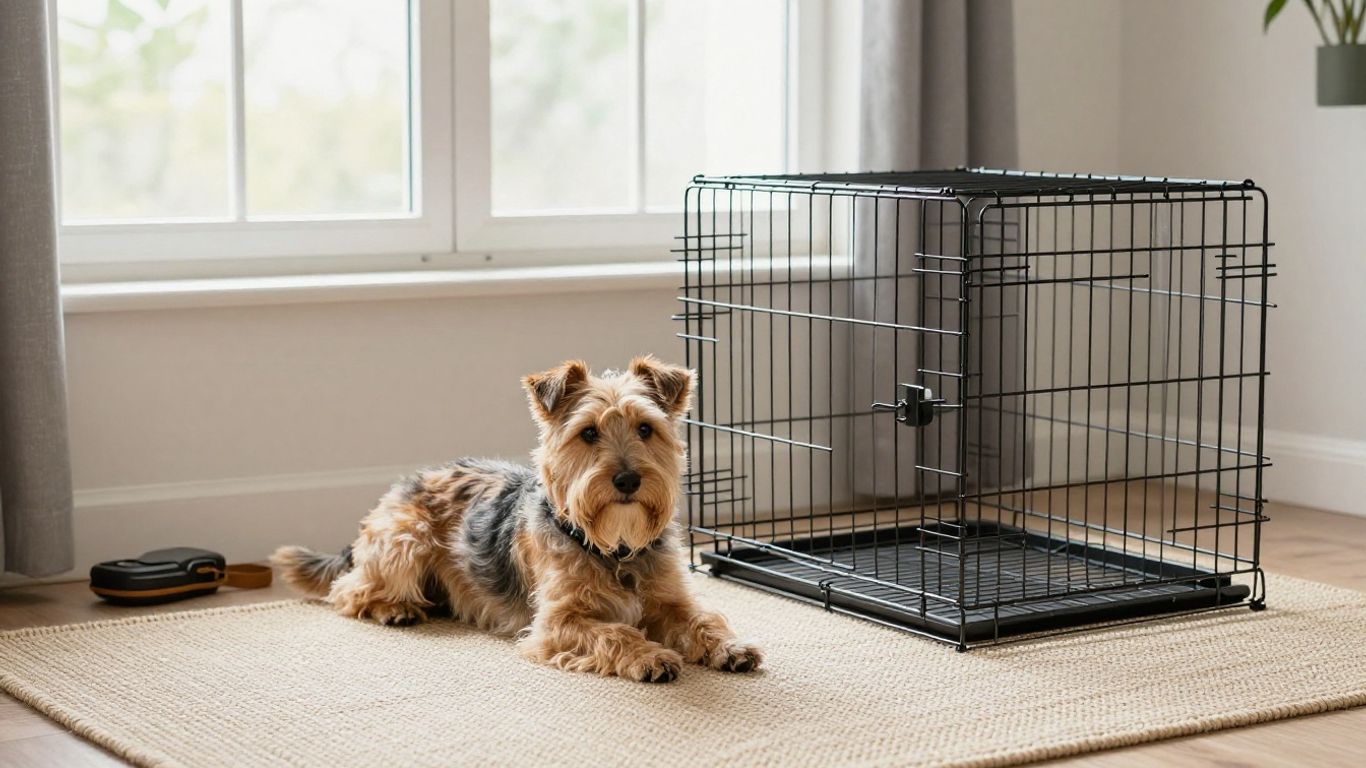
Compare folding wire crates with plastic kennels
Folding wire crates offer visibility and airflow, and many can be folded for storage when they are not in use. Plastic kennels have more enclosed sides, which some dogs may find cozier, though airflow and visibility vary by design. Look at the door, how the crate opens, and how easily you can reach your dog. If you are comparing wire designs, this wire crate overview covers practical points such as size, placement, and ventilation.
Consider soft-sided crates for travel and supervised use
A soft-sided crate may be convenient when portability is a priority, especially for supervised trips or temporary setups. Check how the panels ventilate, how the openings close, and whether the frame feels stable for your dog. A dog who chews, paws persistently, or tries to push through openings may need a different style. For small and medium dogs, KindTail PAWD crate is described as portable; compare its size with your dog’s measurements before deciding whether it suits your needs.
Decide whether portability or a permanent setup matters more
If the crate will live in one spot, you may care most about a steady setup that feels comfortable at home. If you expect to move it often, consider its folded size, weight, and how it is carried. A crate is only one part of planning a trip, too: families preparing a campervan may also find this campervan solar panel guide useful for a separate part of their travel setup. Choose a style that feels manageable for your actual routine, not just an imagined one.
Look for features that make everyday use easier
Small details can make a crate simpler to live with, from getting your dog in and out to cleaning up after a muddy walk. Before buying, look over the doors, latches, tray, and frame rather than focusing only on appearance. The most useful features are the ones you can operate easily and check regularly. If you are weighing a range of designs, this dog crate comparison discusses everyday factors such as convenience and safety.
Check door placement and latch security
Consider where the door sits and whether you can open it easily in the space where the crate will go. A second opening may be handy if the crate has to fit into a tight corner, while a single door may be all you need for a straightforward setup. Test the latch before use: it should close securely and should not feel loose or difficult to operate. This is also a good moment to read the manufacturer’s instructions for assembly and proper use.
Choose a tray that slides out for quick cleaning
A removable tray can make routine cleanup less of a production. Check that it slides in and out smoothly and sits securely in the crate, since a tray that shifts can be frustrating for you and your dog. Think about whether you can reach it once the crate is in its usual spot. An easy-clean setup is useful, but keep the tray clean and dry rather than letting spills sit.
Look for sturdy construction and rounded edges
Give the frame a careful look for loose pieces, sharp edges, or areas that seem likely to snag a paw or blanket. Doors should align properly, and the crate should feel stable when assembled according to its instructions. For broad feature ideas, a crate features guide discusses construction and sizing considerations. A polished finish matters less than a design that feels secure and is in good condition.
Consider dividers for puppies still growing
Some crates include a divider that lets you adjust the usable space as a puppy grows. That can be helpful when the full crate would otherwise leave far more room than your puppy needs, but the divider should be secure and positioned so your dog still has space to stand, turn, and lie down. Recheck the arrangement as your puppy gets bigger. A divider is a temporary sizing aid, not a substitute for moving up to a larger crate when needed.
Match the crate to your home and your dog
A crate should fit naturally into your home while giving your dog a place to settle. Before setting it up, consider the room, your household’s usual rhythm, and whether the spot will still be comfortable at different times of day. Keep the setup simple enough to clean and adjust. If you use QR codes to organize household information, Xcan.it explains how dynamic codes can be managed; the crate itself still needs to be placed and checked with your dog’s comfort in mind.
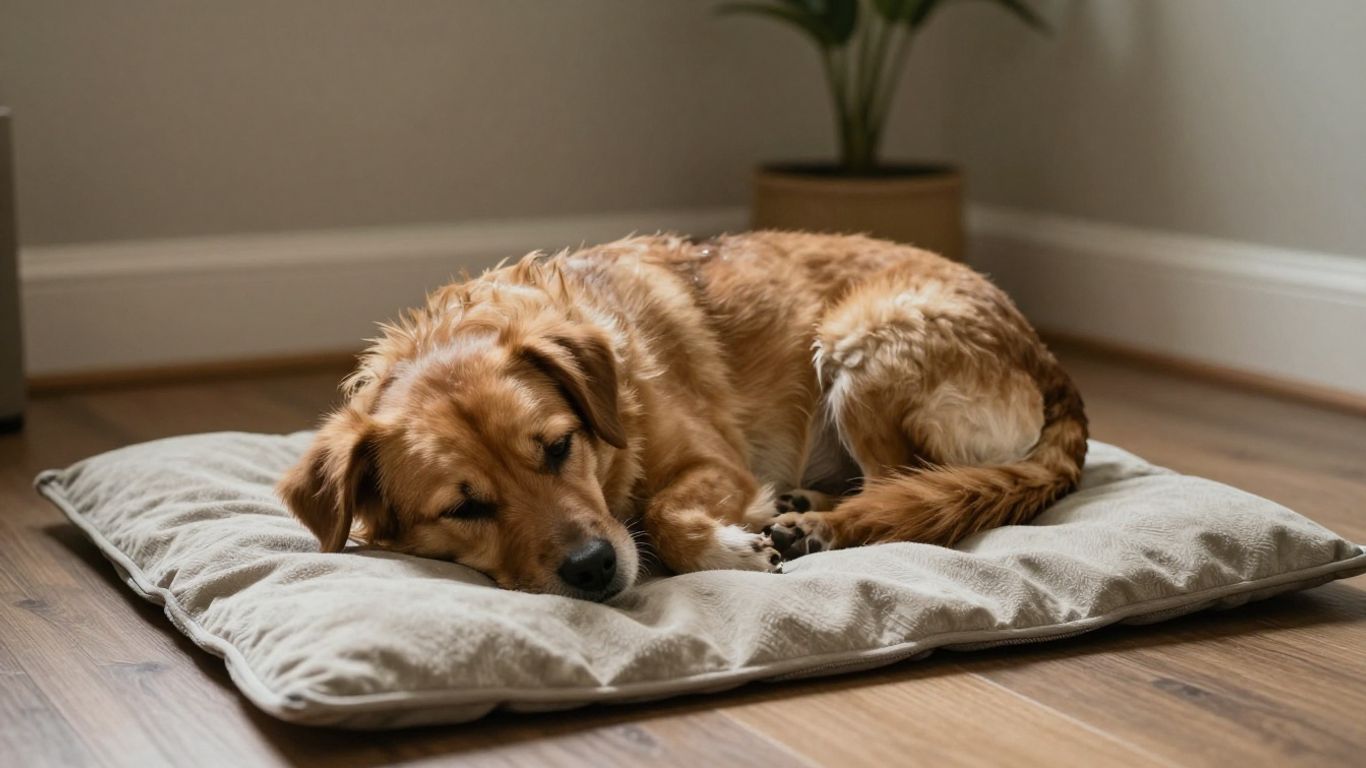
Pick a location that feels calm but not isolated
Choose a spot where your dog can relax without being in the middle of constant activity. Some dogs like being near their family, while others settle better away from busy walkways; watch your dog’s behavior and adjust if needed. A crate does not have to be tucked away in a separate room to feel restful. If your family is also considering smart-home setup, this Amazon Echo Show 10 overview covers that separate household topic; keep the crate location focused on what helps your dog settle.
Think about noise, airflow, and nearby foot traffic
Listen to the room at the times your dog is most likely to rest. A spot beside a slamming door, loud appliance, or busy path may make it harder to settle, while good airflow helps keep the area comfortable. Avoid blocking vents or crowding the crate with furniture. Notice how your dog responds once the crate is in place and make small changes if the area feels too busy.
Add a washable mat or bedding that fits securely
A washable mat can make the crate feel softer and simplify cleanup, provided it lies flat and leaves your dog enough room to move. Check that it fits the base without bunching up or covering openings, and choose bedding your dog can use safely. If your dog chews or pulls fabric, remove it and ask your veterinarian what may be suitable. Keep an eye on the bedding over time and replace it if it becomes damaged.
Keep the crate away from heat, drafts, and direct sun
Avoid placing the crate beside a heater, in a chilly draft, or where strong sunlight falls for long stretches. Temperatures can change during the day, so check the spot at the times your dog will use it rather than judging by one quick glance. Leave enough clearance around the crate for air to move and for you to reach the door. If your dog seems uncomfortable, move the crate and reassess the room.
Introduce the crate with a low-pressure routine
A new crate is unfamiliar at first, so give your dog time to investigate it without pressure. Keep early interactions easy and let your dog approach at their own pace. Pair the crate with calm, pleasant moments rather than making it a sudden requirement. For readers exploring other caregiving paths, medical assistant training is a separate topic; here, a gentle, consistent routine is the useful starting point for your dog.
Let your dog explore the crate with the door open
Set the crate up securely and leave the door open while your dog investigates. Let them sniff the entrance or step inside and back out without closing them in. You can sit nearby and keep your voice relaxed, but avoid coaxing so insistently that the crate starts to feel like a trap. A few short, calm visits are a perfectly good beginning.
Use treats and meals to build positive associations
Offer a treat near the entrance, then gradually place it farther inside if your dog is comfortable. Meals can also become a pleasant reason to approach the crate, as long as your dog is not being rushed. Once your dog chooses to go in, let them come back out freely at first. Keep the experience easy enough that your dog is willing to try again later.
Start with short stays and gradually add time
When your dog is relaxed entering the crate, try a brief stay with the door closed while you remain close by. Open the door before your dog becomes distressed, and add time in small steps as they settle comfortably. A simple progression can help you keep those first sessions manageable:
- Begin with a few seconds while you stay nearby.
- Try a slightly longer stay after calm repetitions.
- Step away briefly only when your dog is comfortable.
- Return and open the door calmly, without making departures or reunions a big event.
Let your dog’s response set the pace. If they seem uneasy, make the next session shorter and return to an easier step rather than pushing through.
Avoid using the crate as punishment
The crate should remain a place your dog can associate with rest, not a consequence for unwanted behavior. If you need to interrupt a moment, guide your dog to a safe alternative and address the behavior separately. A calm, predictable approach is more likely to help your dog feel secure over time. If crate training is causing ongoing distress, consider asking a qualified trainer or veterinarian for advice.
Keep crate use safe and comfortable
A well-chosen crate still needs routine checks. Look for wear, make sure the setup remains comfortable, and pay attention to how your dog behaves inside it. Dogs can change as they grow, gain or lose weight, or recover from an injury, so what suited them before may need adjusting. If handling or moving a crate leaves you concerned about human aches or strains, these pain and injury basics offer general information; seek professional advice when needed.
Remove collars or harnesses that could snag
Before your dog goes into the crate, remove a collar, harness, or accessory that could catch on the bars or another part of the structure. Check the interior for loose fabric, damaged pieces, or anything your dog might chew or swallow. Keep the floor clear enough for your dog to turn and lie down comfortably. If you are unsure whether an item is safe to leave on, ask your veterinarian.
Check latches, hinges, and trays regularly
Make a quick inspection part of your routine, especially after folding or moving the crate. The latch should close securely, hinges should not be bent or loose, and the tray should sit in place without sharp or broken edges. Follow the manufacturer’s directions for checking and maintaining the crate. If something is damaged, stop using it until it has been repaired or replaced safely.
Watch for signs of stress or overheating
Notice whether your dog can settle, breathe comfortably, and rest without persistent attempts to escape. Panting, repeated distress, or an inability to relax can mean the environment or routine needs attention; check the temperature and give your dog a break. Crates are not a substitute for appropriate supervision, exercise, or bathroom breaks. If you are worried about your dog’s health or behavior, contact your veterinarian.
Reassess the fit as your dog grows or changes shape
Recheck your dog’s measurements after a growth spurt or a noticeable change in body shape. Make sure the crate still allows a natural stand, turn, and lie-down, and revisit the bedding and divider if you use them. For another perspective on crates and home setups, this crate selection guide covers sizing and everyday use. A comfortable fit is something to keep checking, not a decision you make only once.
Conclusion
Choosing a 24-inch crate is less about finding a perfect number and more about noticing how your dog fits, rests, and moves. Measure carefully, choose a style that works in your home, and build a gentle routine around the crate. With a little patience and regular safety checks, you can make it a comfortable place for your small dog to settle.
Frequently Asked Questions
What size dog fits in a 24-inch crate?
It depends on the dog’s height, length, and shape, as well as the crate’s interior dimensions. Measure your dog and check that they can stand, turn around, and lie down comfortably.
How do I measure my dog for a crate?
Measure from the nose to the base of the tail for length, and from the floor to the top of the head or ears for height. Take the measurements while your dog is standing naturally.
Should a crate be much bigger than my dog?
A crate should give your dog enough room to stand, turn, and lie down comfortably without being an awkward fit. Check the interior dimensions and include any bedding when judging the usable space.
Can a puppy use a 24-inch crate?
Possibly, depending on the puppy’s current size and expected growth. Recheck the fit often, and use a secure divider only if it still leaves enough room for comfortable movement.
Is a wire or plastic crate better for a small dog?
Neither is best for every dog. Consider airflow, visibility, ease of cleaning, portability, and how your dog responds to a more open or enclosed space.
Where should I put my dog’s crate at home?
Choose a calm spot with good airflow, away from direct sun, drafts, and heat sources. A location near family can work well if it is not too noisy or busy for your dog to rest.
How can I help my dog get used to a crate?
Start with the door open and let your dog explore freely. Use treats or meals to create positive associations, then introduce brief stays and extend them gradually as your dog becomes comfortable.