






How to choose and use a dog crate for anxious dogs without adding stress
Key Takeaways
A crate can become a comforting retreat, but only when your dog feels safe enough to choose it. Move slowly, watch body language, and adjust the setup before asking for more time.
- Treat anxiety as communication, not stubbornness.
- Choose a crate that allows comfortable movement and rest.
- Introduce the crate with food, play, and an open door.
- Increase alone time in tiny, manageable steps.
- Ask a veterinarian or qualified behavior professional for help when distress is severe.
Understand why your dog feels anxious in a crate
A crate is not automatically calming just because it resembles a den. Some dogs settle quickly, while others feel trapped, isolated, or reminded of something frightening. The goal is not to make your dog tolerate confinement at any cost; it is to build enough trust that the crate feels predictable and secure.
Start by observing what happens before, during, and after crating. That pattern often tells you more than a single burst of barking. If your dog becomes distressed the moment the crate appears, the training plan needs to begin farther away from confinement.
Common causes of crate anxiety
Dogs may worry about a crate for several overlapping reasons. A puppy may dislike separation from the household, while an adult rescue dog may associate enclosed spaces with shelter stays, transport, or punishment. Some dogs also struggle with the loss of choice: they can see people moving around but cannot follow them.
Separation-related distress, unfamiliar surroundings, loud noises, insufficient exercise, and an uncomfortable temperature can all make the reaction stronger. A dog who is physically uncomfortable may also resist a crate that would otherwise be acceptable. Consider the whole situation rather than assuming the crate itself is the only problem.
Signs of stress versus normal adjustment
A little hesitation is different from panic. Your dog might sniff the crate, step in and out, look toward you, or leave after taking a treat. Those behaviors can be part of ordinary learning, especially when the door remains open and your dog can retreat.
More concerning signs include frantic escape attempts, heavy drooling, trembling, repeated vomiting, self-injury, or an inability to eat. Persistent vocalizing paired with pacing or clawing suggests your dog is over threshold, not simply being dramatic. Your dog’s body language matters most when deciding whether to continue.
A useful way to track progress is to note how quickly your dog recovers after a brief practice. A dog who pauses, relaxes, and returns to normal is having a different experience from one who stays distressed long afterward.
How past experiences affect crate training
Past experiences can shape a dog’s expectations before you have done anything wrong. A dog who was once confined for long periods may expect the door to close and stay closed. Another may have learned that a crate predicts an unpleasant trip, a scolding, or being left alone.
You cannot erase that history with one especially good session. Instead, give your dog repeated evidence that the new crate routine is different: treats appear, the door stays open, people return, and breaks happen before panic. Keep sessions short enough that your dog can finish feeling successful.
When anxiety may point to a deeper issue
Crate anxiety may be part of separation anxiety, generalized fear, noise sensitivity, pain, or another behavioral concern. If your dog panics only when you leave, look beyond crate training and consider the departure itself. If distress appears in many settings, a wider behavior plan may be needed.
Accidents, sudden resistance, nighttime restlessness, or a dramatic change in behavior deserve attention too. A veterinary check can help rule out discomfort or illness before you interpret everything as a training problem. You can also read this practical confinement anxiety guide for ideas about alternatives when a crate is making things worse.
Choose a dog crate for anxious dogs
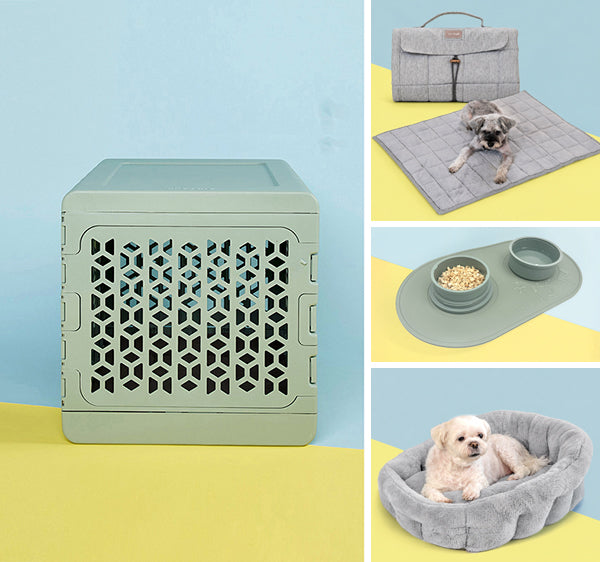
The best dog crate for anxious dogs is not necessarily the heaviest, most enclosed, or most expensive option. It should be physically safe, appropriately sized, easy for you to use, and compatible with the way your dog responds to visual access and confinement. A thoughtful choice makes training easier, but it cannot replace gradual introduction.
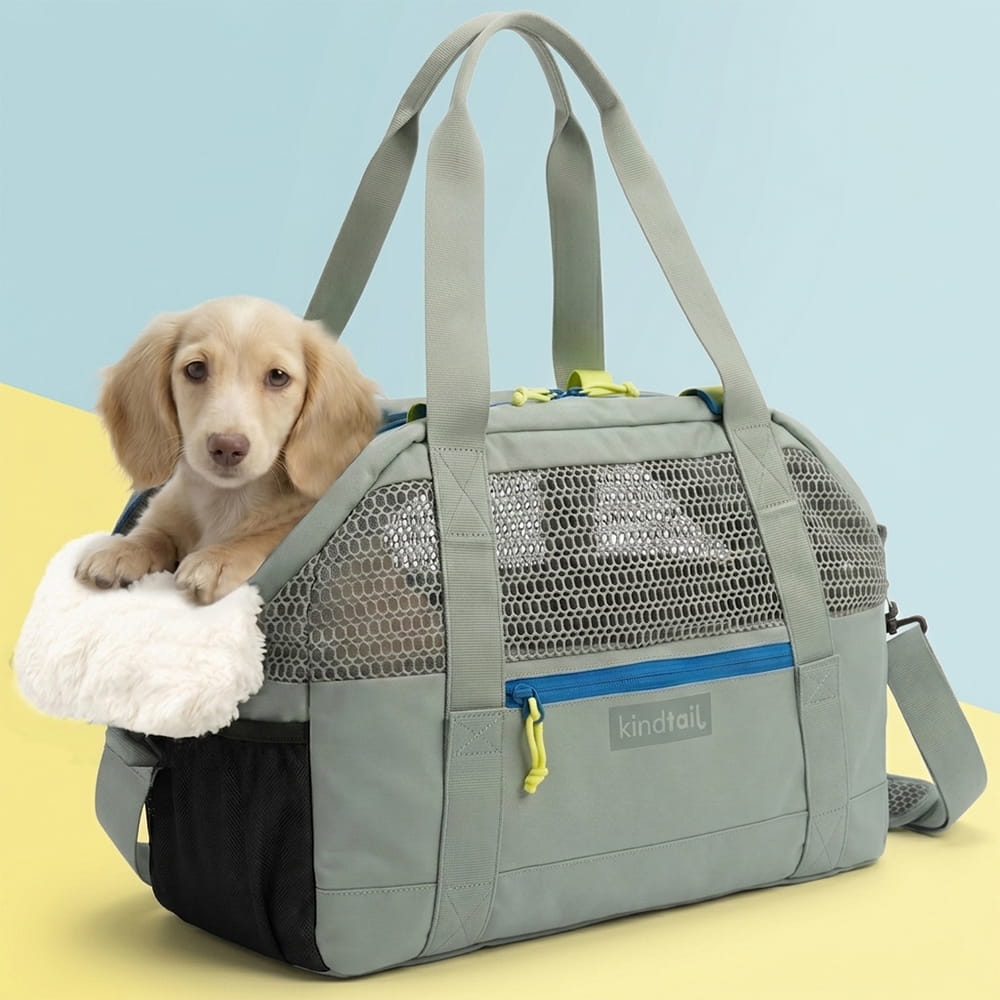
Measure your dog while standing and lying down, and think about the crate’s placement as well as its dimensions. A crate that fits beautifully in one room may feel exposed in another. If you are comparing travel, home, and everyday options, this guide to choosing a portable dog crate can help organize the decision.
Finding the right size and layout
Your dog should be able to stand without crouching, turn around comfortably, lie down naturally, and stretch out. Too little space can make rest difficult, while an oversized crate may feel less like a secure resting area and may complicate house training for some dogs.
Layout matters, too. Some anxious dogs settle better when they can see the room; others relax with fewer visual distractions. Consider the door swing, ventilation, ease of cleaning, and whether your dog can comfortably enter without ducking or squeezing through a narrow opening.
Comparing wire, plastic, and furniture-style crates
Wire crates usually provide plenty of airflow and visibility, though some dogs become overstimulated by activity on every side. Plastic crates can feel more enclosed and may work well for travel, but ventilation and temperature still need careful attention. Furniture-style crates can blend into a room, yet their materials, openings, and cleaning needs vary widely.
Think in terms of your individual dog rather than a universal ranking. A dog who watches every movement may prefer a calmer visual field. A dog who feels isolated may need more connection with the household. For inspiration around indoor options, this overview of modern dog crate furniture discusses space-saving designs and home-friendly layouts.
Looking for escape-resistant safety features
A determined dog can injure teeth, paws, or nails while trying to get out. Inspect latches, hinges, seams, corners, and any place where a collar or tag could catch. Remove collars or harnesses when your veterinarian and trainer recommend doing so for unsupervised crating, and never assume a crate is safe simply because it looks sturdy.
Use a crate that stays stable on the floor and cannot slide into furniture or tip. Check it regularly for damage, especially after a stressful episode. Safety features should reduce opportunities for injury, not encourage you to leave a panicking dog confined for longer.
Avoiding crates that feel too restrictive
A highly enclosed crate is not automatically more soothing. Some dogs need airflow, daylight, and a clear view of their people to stay settled. Others may feel calmer with a partial cover, but covering every side can increase heat, isolation, or frustration.
Let your dog’s response guide the setup. Try one change at a time and watch whether breathing, posture, and recovery improve. If you need a simple comparison point, use this crate size and comfort guide to think through bedding, dimensions, and temperature regulation without rushing the choice.
Set up a calmer crate environment
A crate works best as part of a calm household rhythm, not as a lonely box placed wherever there is spare floor space. Location, light, sound, temperature, and nearby activity all affect how safe the space feels. Small environmental changes can lower the difficulty of every training session.
Give your dog a chance to rest there without always closing the door. That distinction matters. If the crate predicts confinement every time, your dog may start avoiding it even when you have added comfortable bedding and favorite toys.
Picking the best location in your home
Choose a spot where your dog can feel connected without being in the busiest traffic lane. A family room corner may work for a social dog, while a quieter bedroom area may suit one who becomes overwhelmed by movement. Avoid direct heat, cold drafts, bright glare, and places where doors or furniture could bump the crate.
Observe your dog during ordinary household moments. If they settle when people are nearby but not hovering, place the crate close enough for companionship and far enough away for uninterrupted sleep. The right location should support both connection and recovery.
Using bedding, covers, and familiar scents
Offer bedding that is comfortable, washable, and appropriate for your dog’s chewing habits. A familiar blanket or recently worn shirt can make the space smell like home, but remove anything your dog might shred and swallow. If your dog destroys bedding when anxious, begin with a bare, easy-to-clean surface and add comfort gradually.
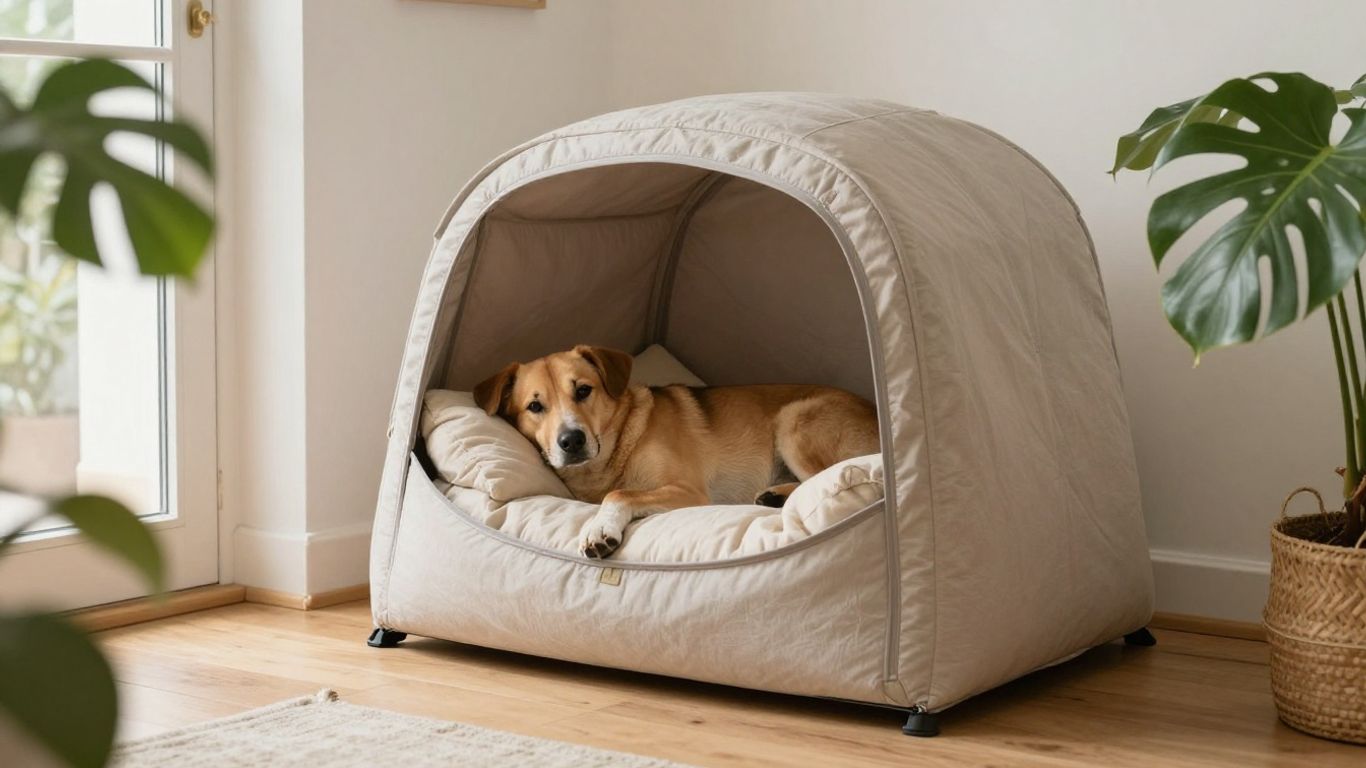
A cover can soften visual stimulation, but use it selectively. Leave ventilation clear and check that the space does not become warm. The PAWD crate is one example of a cozy, portable retreat designed for situations such as loud events, separation anxiety, and travel; whichever crate you use, the same slow introduction still applies.
Managing noise, light, and household activity
A crate beside a television, vacuum cleaner, barking window, or constantly opening door may be too stimulating. You do not need a silent house, but you should avoid stacking several challenges at once. Close curtains during a busy street scene, use gentle background sound, or move the crate a few feet when a particular noise repeatedly triggers your dog.
Keep an eye on temperature and airflow, especially when using a cover. A cool, shaded place may feel restful during the day, while a warmer corner may be better at night. Comfort is practical, not decorative.
Creating a crate routine your dog can predict
Dogs often cope better when the sequence stays familiar. Use the same calm cue, offer a short activity, provide a bathroom break, and allow a quiet wind-down before asking for crate time. Predictability helps your dog understand what is happening next without needing to guess.
A routine should remain flexible enough for real life. If your dog is already overtired, ill, or frightened by a storm, reduce the difficulty rather than insisting on the usual duration. For another perspective on easing transitions into a new resting place, see this guide to moving a dog to a new crate.
Introduce the crate at your dog’s pace
Crate training is easiest when it feels like a series of invitations rather than a test. Begin with the crate available and the door open, then reward curiosity without luring your dog farther than they want to go. If your dog walks away, that is useful information, not a failure.
Keep your movements relaxed and your voice ordinary. Excessive excitement can make the crate feel like an event, while pressure can teach your dog that entering means losing control. The aim is a comfortable habit built through many easy repetitions.
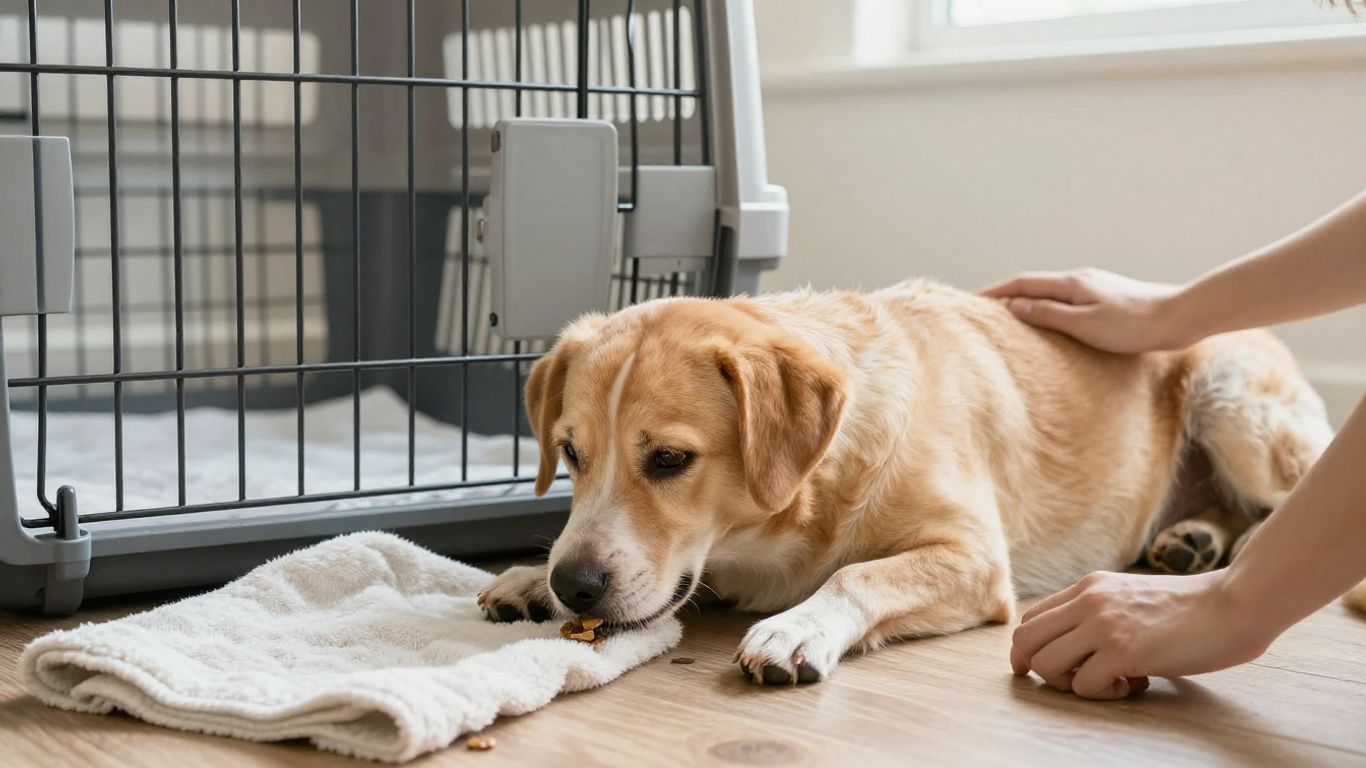
Starting with treats and an open door
Place a treat near the entrance, then gradually offer one just inside when your dog is willing. Do not reach in, push your dog’s body, or close the door as soon as all four paws enter. Let your dog discover that stepping inside does not immediately remove the option to leave.
Some dogs prefer a tossed treat; others respond better when food is placed quietly. Stop while your dog is still interested. Several ten-second sessions can accomplish more than one long session that ends with hesitation.
Building positive associations through meals and games
Meals can make the crate part of an ordinary, rewarding routine. Start with the bowl outside or at the threshold, then move it inward only as your dog remains relaxed. Food puzzles and calm chew items can also create good associations, provided they are safe for unsupervised use.
Play can help, too, but keep the energy appropriate. A brief game near the crate followed by a quiet treat may teach your dog that the space is part of enjoyable family life. If food disappears but your dog immediately rushes out, simply keep the door open and repeat at an easier level.
Practicing short periods of closed-door time
Close the door for a moment while your dog is relaxed, then open it before they become worried. At first, the interval may be only one or two seconds. Gradually vary the duration rather than increasing it in a straight line every time; an easy repetition after a harder one helps keep confidence steady.
Stay nearby at first. You can sit, stand, or take one step away, returning before your dog needs to call you back. A clear, gradual crate training guide can provide another framework for positive associations, door practice, and knowing when to consider alternatives.
Knowing when to pause or take a step back
Pause if your dog stops taking food, stiffens, pants heavily, repeatedly scratches, or tries to escape. Open the door calmly if it is safe to do so, then give your dog time to recover. Do not punish the reaction; it will not make the underlying fear smaller.
The next session should be easier. Move the treat back toward the entrance, shorten the closed-door interval, or return to simply resting near the crate. Progress is measured by relaxed behavior, not by how quickly you can reach a certain number of minutes.
Help your dog stay relaxed inside the crate
Once your dog can enter willingly and handle brief door closures, the next task is maintaining calm through ordinary household changes. That includes you sitting down, standing up, walking across the room, and briefly disappearing from view. Build these pieces separately when possible.
Keep the crate connected to rest and good things, but do not use it as the only place your dog receives attention. A balanced routine includes exercise, sniffing, training, free time, and sleep outside the crate too.
Adding enrichment without creating frustration
Choose enrichment that matches your dog’s skill level. A food toy that is too difficult can create frantic chewing or barking, especially when the dog is already worried about confinement. Start with something easy enough to finish, then add complexity only when your dog remains loose and engaged.
Rotate a few safe options instead of filling the crate with clutter. Supervise new items, consider choking and swallowing risks, and account for allergies or dietary restrictions. Enrichment should help your dog settle, not give them another problem to solve.
Practicing departures and returns
Begin with departures so brief they seem almost silly. Stand up, take one step away, return, and continue your normal routine. Later, step through a doorway for a second or two, then come back without a dramatic greeting.
Keep arrivals calm and predictable. If every return becomes an emotional celebration, your absence may feel even more significant by comparison. Increase distance and time independently, and reduce both when your dog shows signs of worry.
Gradually increasing crate time
Increase duration only when your dog is consistently relaxed at the current level. A dog who can rest for five minutes one day may need a shorter session after a poor night’s sleep or a noisy afternoon. Training is not a race toward a fixed number.
Use a simple progress record so you can spot patterns. Note the duration, the environment, what happened beforehand, and how your dog behaved afterward. This helps you avoid accidentally increasing time on several difficult days in a row.
Handling whining, barking, and scratching
First ask what the behavior is communicating. Your dog may need a bathroom break, may be uncomfortable, or may be frightened rather than seeking attention. If the behavior is mild and your dog can settle, wait for a quiet moment before calmly opening the door; if the behavior is escalating into panic, prioritize safety and reduce the training difficulty.
Never bang on the crate or shout over barking. Those responses can make the crate and your presence feel more threatening. If you are unsure how to respond, a qualified professional can help distinguish protest, need, and genuine distress.
Know when to get extra support
Some dogs improve with patient practice, while others need a broader plan. Asking for help early can prevent repeated panic and protect the trust you are building. There is no prize for handling a difficult case alone.
Support may involve changing the environment, teaching relaxation skills, addressing separation concerns, or choosing a different management option. Your dog’s welfare comes first, even if that means pausing crate training for now.
When crate training is making anxiety worse
Stop and reassess if each session ends in stronger distress, recovery takes longer, or your dog begins avoiding food, rooms, or you. Escape attempts that cause bleeding, broken nails, damaged teeth, or other injuries require immediate attention. A crate should never be used to contain a dog who is in full panic simply because the schedule says it is time.
An alternative resting space, a gated room, or supervised freedom may be safer while you work on the underlying issue. Management is not giving up. It is a way to prevent more frightening experiences while a better plan is developed.
How exercise and mental stimulation can help
Appropriate movement and sniffing can make it easier for a dog to rest, but exercise is not a cure for anxiety. A frantic game immediately before crating may leave your dog physically tired but emotionally wound up. Aim for a mix of gentle activity, exploration, short training, and quiet decompression.
Consider your dog’s age, health, breed tendencies, and weather. Puzzle feeding, scent games, and simple reward-based skills can provide mental work without overstimulation. Also look at the household routine itself; this guide to daily habits and anxiety offers a broader reminder that sleep, movement, and the environment can influence how settled a person or pet feels.
Working with a certified trainer or behaviorist
Choose someone who uses humane, reward-based methods and is comfortable with fear and separation-related behavior. Ask what they would do if your dog panicked, how they measure progress, and whether they can observe the problem in your home. A good professional should explain the plan clearly rather than promise a guaranteed timeline.
Local help may be especially useful when the crate issue is part of reactivity, household structure, or a wider behavior pattern. You can explore Austin Texas K9 for behavior and obedience training in the Georgetown area, or Cedar Park dog training for in-home support focused on household routines and behavior.
Discussing severe anxiety with your veterinarian
Speak with your veterinarian when anxiety is intense, sudden, accompanied by physical symptoms, or preventing sleep, eating, safe transport, or ordinary care. Your veterinarian can look for medical contributors and discuss whether additional support is appropriate alongside behavior work.
Bring notes or short videos when safe and practical. Record the trigger, your dog’s behavior, how long recovery takes, and what helped. Do not give human medication or calming products without veterinary guidance.
If household events are part of the problem, planning ahead can help. For example, an interactive team-building venue guide may be useful when arranging an outing that involves leaving your dog home, while this mold remediation guide is a reminder that unusual household smells or environmental changes should be investigated rather than dismissed. These details may seem unrelated, but a calmer, safer home supports behavior work.
Conclusion
A dog crate for anxious dogs should be introduced as a safe option, never a forced solution. Choose a comfortable setup, let your dog set the pace, practice in tiny steps, and treat signs of distress as information. With patience and the right support, a crate can become a peaceful nap spot—but your dog’s trust is always the real goal.
Frequently Asked Questions
Should I force my anxious dog into the crate?
No. Forcing a frightened dog inside can deepen the fear and may lead to escape attempts or injury. Begin with the door open, reward voluntary curiosity, and make each step easier if your dog becomes distressed.
How long can an anxious dog stay in a crate?
There is no universal time limit that suits every dog. Build duration gradually only while your dog remains relaxed, and account for age, bathroom needs, health, exercise, and the dog’s ability to settle. Severe distress means the duration is already too long.
Should I cover my dog’s crate?
A partial cover may reduce visual stimulation for some dogs, while others feel more trapped when visibility decreases. Keep airflow clear, monitor temperature, and introduce the cover gradually rather than assuming it will be calming.
Is whining always a sign of anxiety?
Not always. Whining can indicate a bathroom need, frustration, excitement, discomfort, or fear. Look at the full body language and whether the behavior escalates into panting, pacing, scratching, drooling, or escape attempts.
What should I put inside an anxious dog’s crate?
Use safe bedding and one or two familiar, durable enrichment items that your dog can handle calmly. Avoid anything your dog may shred or swallow when unsupervised, and remove items that increase frustration rather than helping your dog settle.
Can exercise fix crate anxiety?
Exercise can support overall regulation, but it does not resolve fear by itself. Combine suitable physical activity with gradual training, predictable routines, mental enrichment, and professional guidance when anxiety is significant.
When should I stop crate training?
Pause when your dog is panicking, injuring themselves, refusing food, or taking a long time to recover after each session. Use a safer temporary management option and consult a veterinarian or qualified behavior professional about the next step.
Leave a comment
Comments will be approved before showing up.