






How to Choose a Plastic Dog Kennel Your Pup Will Love
Key Takeaways
A good plastic dog kennel should fit your dog, suit the way you plan to use it, and feel like a comfortable place to rest. A little measuring and gentle practice can make the choice easier for both of you.
- Choose a hard-sided kennel when an enclosed, easy-to-clean space suits your dog and routine.
- Measure your dog and check the kennel’s interior dimensions before buying.
- Look for steady airflow, secure latches, smooth edges, and a design you can maintain.
- Follow current vehicle and airline guidance when traveling with your dog.
- Introduce the kennel gradually, using treats and calm, brief sessions.
What makes a plastic dog kennel a good fit
A plastic dog kennel gives your pup an enclosed place to settle, whether that’s for a quiet rest at home or a trip away. The right choice depends on your dog’s comfort, your space, and the kennel’s intended use—not just its appearance. Think of it as one possible cozy retreat, rather than a one-size-fits-all answer.
How hard-sided kennels differ from wire crates
A hard-sided kennel has solid panels around much of its enclosure, while a wire crate has open sides. That difference can affect how your dog experiences the space: some dogs settle more easily in an enclosed setting, while others prefer an open view of the room. Whichever style you consider, check that air can circulate and that your dog can enter and exit safely.
When a plastic kennel works well at home or on the go
A plastic model may suit a household looking for an enclosed resting spot that can also be used for transport, provided the kennel is designed for the intended journey. A puppy’s needs may change as they grow, so it helps to consider both today’s routine and the next few months. For another perspective on choosing a puppy-sized setup, see this plastic puppy crate guide.
Situations where another crate style may be a better choice
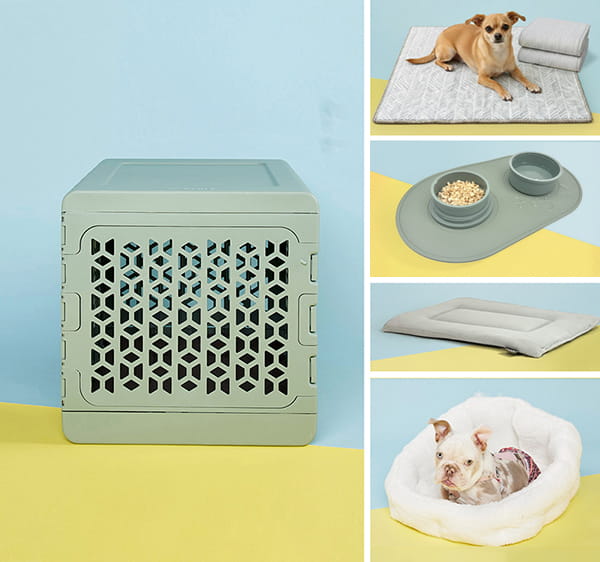
A dog who likes to watch household activity may prefer a more open crate, and a dog who chews or paws at barriers may need a different setup and careful supervision. Room size matters too: a bulky hard-sided kennel can be inconvenient if you need to move or store it often. The PAWD® crate from KindTail is described as a collapsible option, which may be worth considering if storage is part of your decision; compare any model’s size and use guidance with your dog’s needs.
How to pick the right size
The best way to start is with a tape measure and a few calm minutes with your dog. Kennel dimensions can be listed in different ways, so compare the interior space with your dog’s actual measurements rather than relying only on a breed label. A thoughtful fit leaves room for ordinary movement without making the space feel oversized for its intended use.
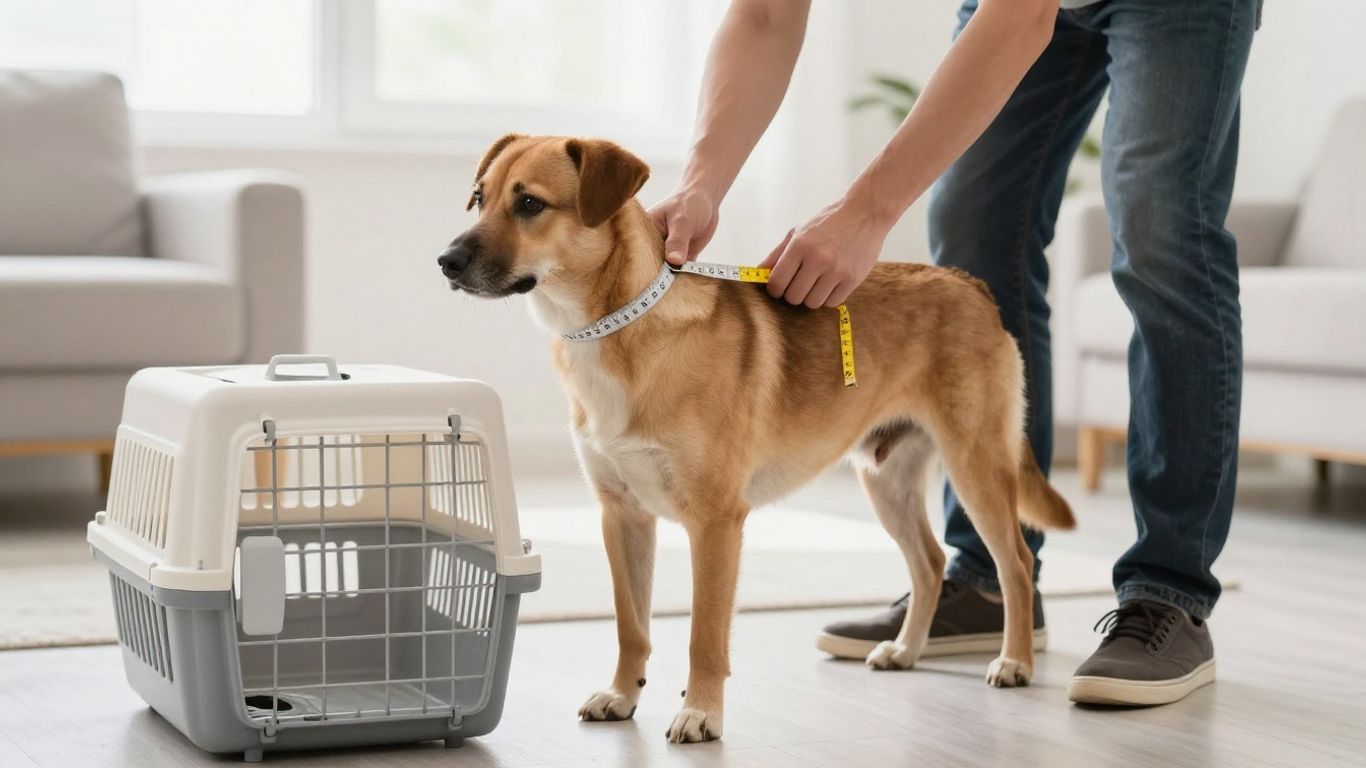
Measure your dog from nose to tail and floor to head
Have your dog stand naturally on a level surface. Measure from the nose to the base of the tail for length, then from the floor to the top of the head for height; if your dog has upright ears, include them when comparing headroom. Write the numbers down so you can check the kennel’s interior measurements accurately. A broader crate sizing and design guide can offer another set of considerations as you compare options.
A simple measurement record helps keep the comparison clear:
| What to measure | How to check | What to compare |
|---|---|---|
| Length | Nose to base of tail | Interior kennel length |
| Height | Floor to top of head | Interior kennel height |
| Width | Across the widest part of the body | Interior kennel width |
These measurements are a starting point, not a substitute for checking the manufacturer’s sizing advice. Consider your dog’s posture and build, too: a long-bodied dog may need more length than a compact dog of similar weight. A well-matched kennel should make resting feel natural, not cramped.
Leave room to stand, turn around, and lie down
Your dog should be able to stand without crouching, turn around without struggling, and lie down in a relaxed position. Check these movements against the interior dimensions rather than assuming the listed exterior size tells the whole story. For a broader look at indoor options, this indoor kennel guide covers different styles and fit considerations.
A kennel that technically accommodates a curled-up dog may still be uncomfortable if there is no room to shift position. On the other hand, much more space isn’t automatically better for every use. Consider how your dog will spend time inside and follow the maker’s recommendations for the particular kennel.
Adjust for puppies without buying a kennel they can outgrow overnight
Puppies grow quickly, so try to balance a comfortable fit now with a sensible plan for later. Some families choose a size based on expected adult measurements, while others prefer to reassess as their puppy grows. The collapsible crate sizing guide offers additional points to weigh when thinking about a changing fit.
A few practical options can help you decide what makes sense for your household:
- Compare your puppy’s current measurements with the kennel’s sizing guidance.
- Check whether the kennel is intended for the puppy’s current size and stage.
- Recheck fit as your puppy grows, rather than assuming the first measurement will hold.
Whichever approach you choose, keep checking that your puppy can stand, turn, and lie down comfortably. A size that works today may not work for long, and a quick fit check can help you spot that change.
Which features are worth looking for
A kennel’s everyday details matter just as much as its overall shape. Check the door, airflow openings, handles, seams, and surfaces before deciding whether it will be easy to use in your home. These small checks can help you choose a space that feels practical for you and comfortable for your dog.
Check ventilation, door latches, and sturdy handles
Look for openings that allow air to move through the kennel, and examine how the door closes and latches. The door should stay secured as intended, and the handle should feel appropriate for moving the empty kennel. Never assume that a handle or latch makes a kennel suitable for every kind of travel; check the product guidance for how it is meant to be used.
It can help to make a short inspection before purchase, especially if you are comparing several styles. Check that the door opens and closes smoothly, the latch engages securely, and the ventilation openings are clear. For a wider overview of crate details, see this indoor dog kennel features guide.
Compare one-piece designs with models that come apart
A one-piece shell may be straightforward to wipe down, while a kennel that separates can be easier to access for cleaning or storage. The best arrangement depends on where you plan to keep it and how often you expect to move it. The PAWD® Modern Collapsible Dog Crate from KindTail is described as collapsible and tool-free to assemble; those particular features may matter if setup and storage are priorities for you.
In either case, check how the parts connect and whether the assembled kennel feels stable when set up as directed. Consider where the pieces will go when they are not in use, and whether you can clean all the surfaces without awkward reaching. A design that fits your routine is more likely to stay convenient after the first week.
Look for smooth edges and easy-to-clean surfaces
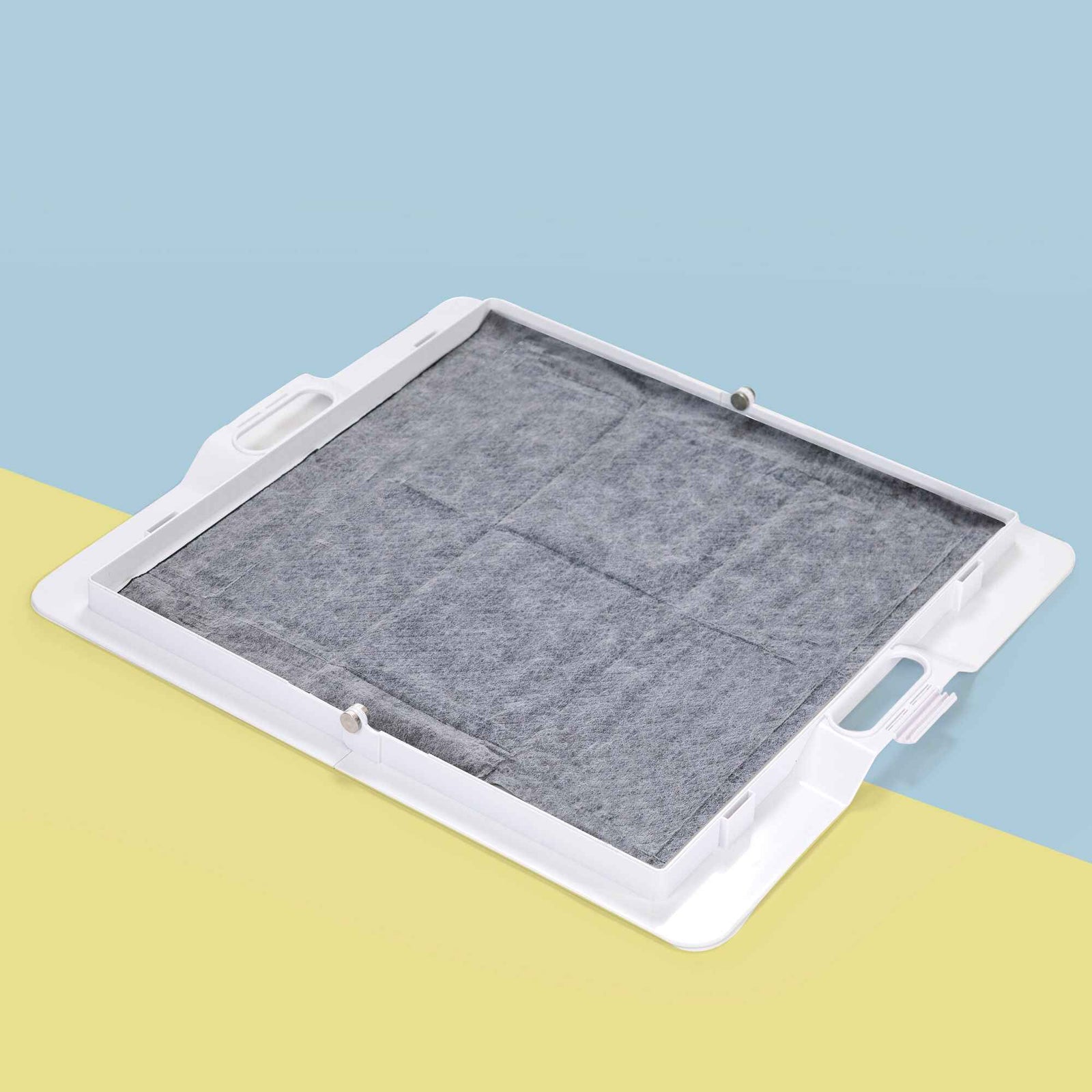
Run your eyes and hands over accessible edges, corners, and door areas to check for rough spots or places that could catch fur. Surfaces that are easy to wipe can make ordinary cleanup less of a chore. The PAWD® crate from KindTail is described as easy to clean, one feature to compare with the maintenance guidance for any kennel you’re considering.
If you also run a nearby pet business, kennel shopping is separate from reaching local customers; this local marketing guide covers that distinct topic. And for a business focused on local search listings, eigenKOR describes Google Business Profile optimization services. For the kennel itself, focus on its materials, seams, and care instructions so you know what routine upkeep will involve.
How to use a plastic dog kennel for travel
Travel can be easier when your dog has a familiar place to settle, but the kennel must suit the specific trip. A setup for a car ride may not meet an airline’s requirements, and rules can vary by carrier and route. Check the kennel instructions and travel provider’s current guidance before you leave.
Secure the kennel in your vehicle
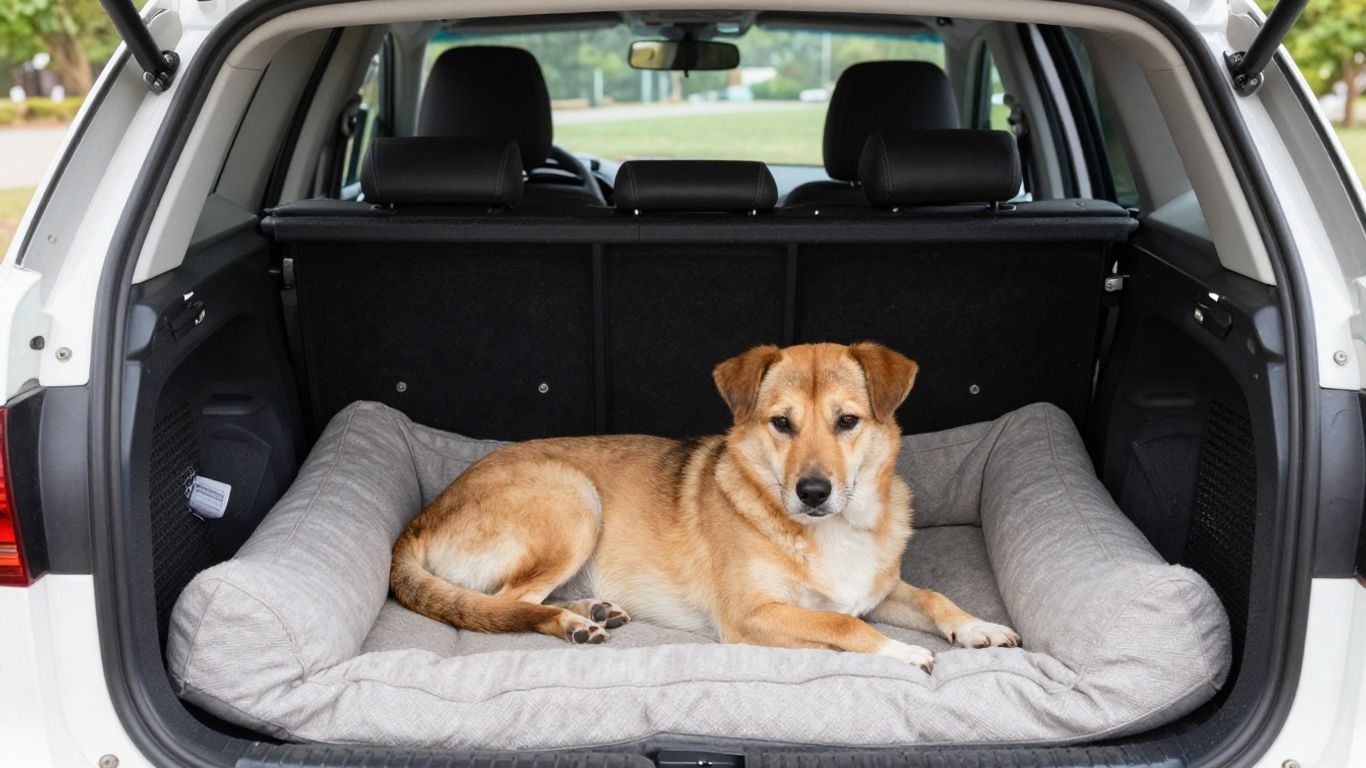
Before driving, place the kennel where it can be secured according to the vehicle and kennel manufacturers’ guidance. Keep it away from loose items that could shift, and make sure ventilation openings are not blocked. A general plastic kennel should not be assumed to offer crash protection unless its manufacturer specifically documents that capability.
Take a moment to check that the kennel is stable and the door is latched as intended before setting off. Plan breaks and make sure your dog has had a chance to settle before the ride. Travel needs differ, so use the guidance for your particular vehicle, kennel, and dog rather than improvising a restraint.
Check airline requirements before flying
Airlines set their own rules for pet carriers, and requirements can depend on the flight. Confirm the current dimensions, construction, door, ventilation, and travel procedures directly with the airline before booking or heading to the airport. A kennel that works well at home or in a car is not automatically approved for air travel.
If your plans include adult city outings in Hamburg, Natural Escort is a separate companionship service, not a pet-travel resource. For your dog’s flight, rely on the airline’s own instructions and allow time to resolve any questions about the carrier before departure.
Help your dog get comfortable with short practice trips
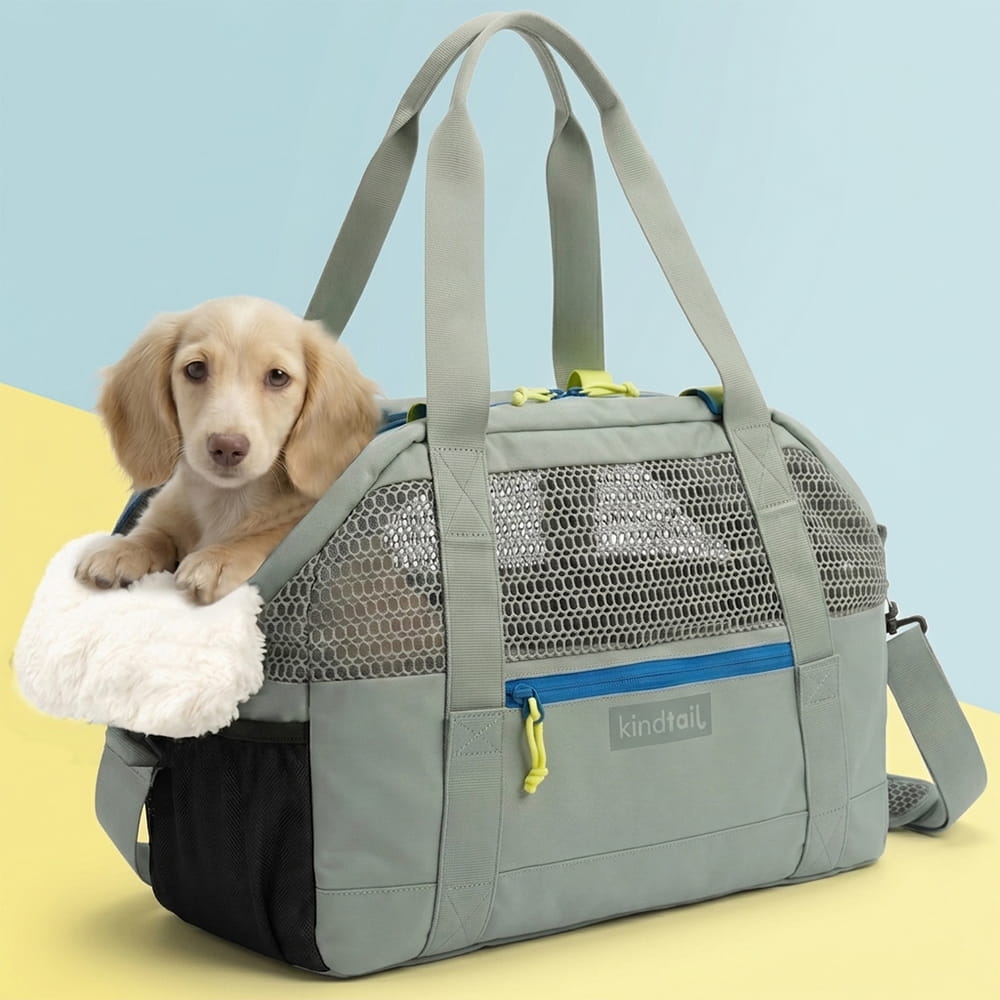
A few gentle practice outings can help your dog experience the kennel before a longer journey. Begin with brief sessions, then build up gradually while watching how your dog responds. The PAWD® crate from KindTail is described as travel-friendly, but any kennel’s suitability depends on its own instructions and the requirements of your trip.
Keep the first practice simple: let your dog explore the kennel, reward calm moments, and try a short ride only when they seem ready. If your travel plans include a school event, a Ron Clark Academy House System overview covers school culture rather than dog travel; your dog’s practice should still be guided by their comfort and your transport provider’s rules.
How to keep the kennel clean and comfortable
A kennel feels more inviting when it is clean, dry, and set up with your dog’s comfort in mind. Choose bedding that fits the available space, clean messes promptly, and inspect the structure from time to time. The goal is a cozy resting place that stays practical to care for.
Choose bedding that fits without blocking airflow
Use bedding that lies flat and leaves ventilation openings clear. It should not bunch up in a way that interferes with the door or reduces the room your dog has to settle comfortably. If your dog tends to chew fabric or move bedding around, supervise and choose an arrangement that suits their habits.
Check the fit after placing the bedding inside, rather than judging it by size alone. Your dog should still have room to shift position and lie down comfortably. Washable, appropriately sized bedding can make it easier to keep the space fresh between deeper cleans.
Clean up messes with pet-safe products
Follow the kennel maker’s care instructions and use cleaning products labeled as suitable for use around pets. Remove bedding and loose debris first, then clean and dry the surfaces as directed before your dog returns to the kennel. Avoid mixing cleaning products, and make sure the space is fully dry and aired out.
A kennel is not a solution for every household problem: animal entry points in a home are a separate matter covered by this Utah wildlife access guide. For kennel cleanup, keep the routine simple and stick to products and methods that are appropriate for the kennel’s material.
Check for cracks, loose hardware, and wear
Give the shell, door, latch, handles, and connecting hardware a regular once-over. Look for cracks, sharp edges, parts that no longer fit securely, or wear that could affect normal use. If anything seems damaged, stop using the kennel until you have checked the manufacturer’s advice about repair or replacement.
Pay particular attention before a trip, when the kennel may be handled or moved more often. A quick inspection takes little time and can help you catch changes early. Replacing damaged bedding or addressing a loose part promptly keeps the setup more comfortable and dependable.
How to help your dog enjoy kennel time
A kennel is most useful when your dog sees it as a calm place to rest, not a surprise door closing around them. Let your dog explore at their own pace and make early experiences brief and pleasant. Consistency matters, but so does noticing when your dog needs a pause.
Introduce the kennel with treats and short sessions
Start by leaving the door open and allowing your dog to investigate without pressure. Place a treat or familiar toy inside, and let your dog choose whether to step in. Short, upbeat sessions are usually easier to repeat than one long introduction.
Build familiarity gradually, rewarding relaxed behavior near the kennel and inside it. A puppy crate training guide offers more ideas for making early crate experiences positive. If your dog walks away, let them; you can try again later when the room is calm.
Build a calm routine instead of forcing the door shut
Once your dog is comfortable entering, practice brief periods with the door closed while you remain nearby. Keep the routine predictable and end a session calmly, rather than waiting until your dog is distressed. A cozy bed, a quiet location, and a familiar cue can help make kennel time feel ordinary.
Comfort grows through repeated positive experiences in many settings. The Ron Clark Academy House System is an example of a school-culture approach to belonging, not a dog-training method; with your pup, focus on gentle repetition and their individual response. Never use the kennel as punishment.
Watch for signs that your dog needs a break or a different setup
Pay attention to persistent panting, frantic scratching, repeated attempts to escape, or distress that continues after a short adjustment period. Those signs can have different causes, so pause and consider the environment, timing, kennel fit, and your dog’s comfort. If you are unsure what is behind the behavior, ask a veterinarian or qualified trainer for guidance.
A different size, location, or crate style may suit your dog better. Each dog has their own preferences, and there is no need to rush the process. Make changes gradually and keep observing how your furry family member responds.
Conclusion
A plastic dog kennel can be a comfortable, useful part of home life or travel when it fits your dog and the way you plan to use it. Measure carefully, check the details, follow travel rules, and introduce the space with patience. With a little attention to your pup’s comfort, the kennel can become a familiar spot to settle in.
Frequently Asked Questions
How do I know what size plastic dog kennel to buy?
Measure your dog’s length and height, then compare those numbers with the kennel’s interior dimensions and sizing guidance. Your dog should be able to stand, turn around, and lie down comfortably.
Are plastic dog kennels suitable for puppies?
They can be, if the kennel is an appropriate size and intended for your puppy’s stage and use. Recheck the fit as your puppy grows and make sure the kennel remains comfortable.
Can I use the same kennel at home and in the car?
Possibly, but check the kennel’s instructions and make sure it can be used safely for each purpose. Follow your vehicle manufacturer’s guidance for securing a kennel during travel.
Can any plastic dog kennel be used on an airplane?
No. Airline requirements vary, so check the current rules for your specific carrier and flight before traveling. A kennel suitable for home or car use may not meet airline requirements.
What should I put inside a plastic dog kennel?
Bedding that fits the space and does not block airflow can make the kennel more comfortable. Choose materials that suit your dog’s habits and follow the kennel’s care instructions.
How often should I clean a dog kennel?
Clean up messes promptly and follow the manufacturer’s care directions for routine cleaning. A regular inspection and cleaning schedule helps keep the space fresh and comfortable.
What if my dog does not like the kennel?
Pause and introduce it more gradually with treats and short, calm sessions. Check the kennel’s fit and location, and seek advice from a veterinarian or qualified trainer if your dog shows ongoing distress.
Leave a comment
Comments will be approved before showing up.